Walk into any kitchen and ask someone whether a tomato is a fruit or a vegetable, and you’ll probably get a confident, immediate answer. The trouble is, depending on who’s answering, you’ll get two completely different — and equally “correct” — responses. A botanist will tell you, without hesitation, that a tomato is a fruit. A U.S. customs official from the 1880s would have told you it’s a vegetable, and legally, they’d have been right too.
This isn’t just a fun dinner-table debate. It’s the result of an actual Supreme Court case, complete with dueling dictionaries, an angry importer, and a tax bill that changed how we talk about a piece of produce most of us eat several times a week.
Botanically Speaking, It’s a Fruit
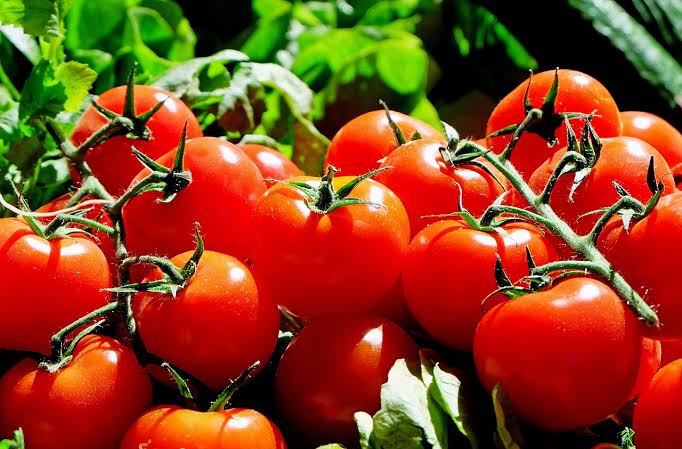
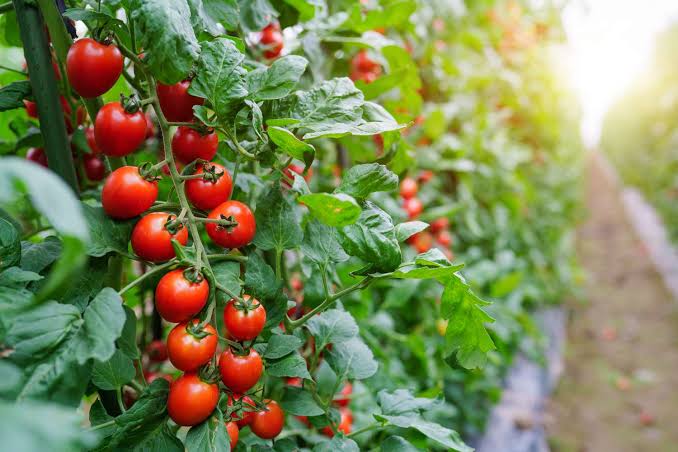
Let’s start with the science, because it’s actually pretty simple. In botany, a fruit is defined as the part of a flowering plant that develops from the ovary after fertilization, and it typically contains seeds. By that definition, tomatoes check every box: they grow from the tomato plant’s flower, and they’re packed with seeds.
And tomatoes aren’t alone. Cucumbers, squash, peppers, eggplants, avocados, and even green beans are all technically fruits by this same logic — they all develop from a flower and hold seeds. Meanwhile, things we casually call “vegetables” — like celery (a stem), spinach (a leaf), and broccoli (a flower bud) — come from entirely different parts of the plant.
So botanically, the tomato has a strong, unambiguous case. Case closed, right?
Not quite.
Enter the Supreme Court
In 1883, Congress passed the Tariff Act, which placed a 10% import tax on vegetables — but not on fruits. This distinction might have stayed a minor bureaucratic footnote if not for John Nix, a New York fruit importer who brought in tomatoes from the West Indies.
Nix argued that since tomatoes are botanically fruits, his shipments shouldn’t be subject to the vegetable tariff. Edward Hedden, the collector at the Port of New York, disagreed and collected the tax anyway. Nix paid under protest and sued to get his money back.
The case dragged on for years and eventually landed before the Supreme Court in 1893, in what became officially known as Nix v. Hedden.
“The Ordinary Meaning of the Words”
Writing the Court’s decision, Justice Horace Gray didn’t dispute the botany. He openly acknowledged that a tomato is, scientifically, the fruit of a vine — just like cucumbers, squash, beans, and peas. But he argued that the law wasn’t written for botanists; it was written for ordinary people buying and selling produce.
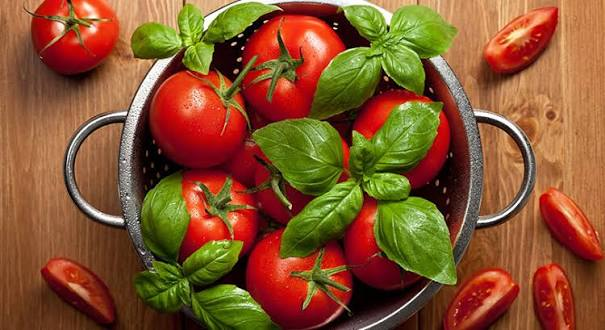
The Court’s reasoning came down to how tomatoes are actually used at the table. Fruits, the justices noted, are generally eaten as dessert or on their own as a sweet snack, while tomatoes — like potatoes, carrots, peas, and cabbage — are grown in kitchen gardens and typically served alongside or as part of a main meal, not as something sweet to finish it off with.
Gray also pointed to a similar earlier ruling involving beans, where the Court had decided that even though beans are technically seeds, everyday language treats them as vegetables. The tomato case followed the same logic: legal language should reflect how ordinary people actually talk, not strict scientific classification.
The ruling was unanimous. For tariff purposes, tomatoes were officially vegetables.
A Decision Still Cited Today
You might expect a 19th-century tariff dispute over tomatoes to be a historical curiosity and nothing more, but Nix v. Hedden has had real staying power. It’s still cited as a foundational example of how courts interpret the “common meaning” of everyday words in legislation, rather than defaulting to technical or scientific definitions.
It’s also had some charming real-world echoes. In 2005, a class of New Jersey fourth-graders successfully used the case to help make the tomato New Jersey’s official state vegetable — a fun bit of civic trivia that traces directly back to that 1893 courtroom.
Why This Fact Actually Matters
It’s easy to file this away as pure trivia, but it’s a great example of something bigger: the gap between how science classifies the world and how humans actually use language. Scientific categories are precise and rule-based. Culture, habit, and how we actually cook and eat shape everyday language.
The tomato didn’t change. Its seeds, its flower origin, its botanical identity — none of that shifted one bit. What changed was the lens through which the law chose to look at it. And that’s really the heart of the story: sometimes the “correct” answer depends entirely on who’s asking, and why.
So next time someone confidently declares the tomato is “obviously a fruit,” you can tell them they’re right — and also, legally, dead wrong.
Got a food fact you want turned into a full post like this one? I’m happy to dig into the history, science, or cultural weirdness behind pretty much anything on your plate.

0 Comments