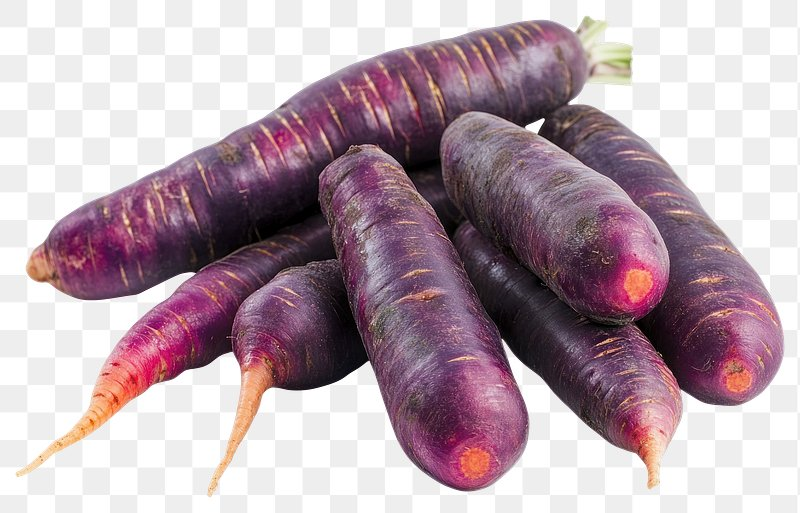
Ask someone to picture a carrot, and they’ll almost certainly imagine the same thing: a bright orange root, tapered at one end, sitting in a produce aisle or a soup pot. Orange is so tied to our idea of “carrot” that it’s hard to imagine the vegetable any other way. But for most of the carrot’s long history, orange wasn’t even part of the picture. The original carrots domesticated in Central Asia around 900 CE were purple and yellow, not orange.
The orange carrot didn’t arrive on the scene until centuries later, and how it got there is a story tangled up with royal politics, national pride, and a fair amount of myth-making that historians are still untangling today.
Where Carrots Actually Came From
Wild carrots trace back more than 5,000 years to what is now Afghanistan and the surrounding parts of Central Asia, and in their wild form they were thin, bitter, and woody — nothing like the sweet, crunchy vegetable we associate with the name today. The earliest real evidence of people cultivating carrots as a food crop dates back roughly 1,100 years, showing up in Persian and Arabian texts from the 10th century.
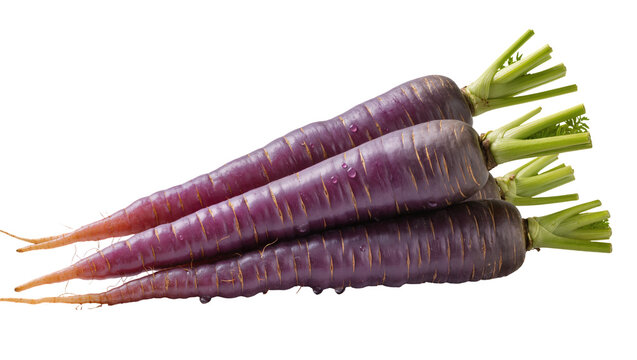
Those early cultivated carrots weren’t orange at all. They were primarily purple on the outside with yellow or orange flesh inside, and some varieties were entirely yellow or white. It took roughly six centuries after domestication before orange roots started appearing consistently in historical records and paintings. In other words, purple carrots aren’t some rare heirloom curiosity — for the better part of a thousand years, purple (along with yellow and white) was simply what a carrot looked like.
The Legend of William of Orange
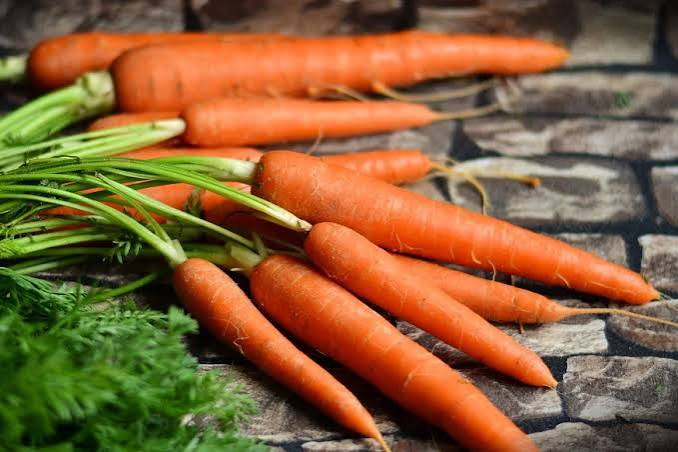
If you’ve heard any backstory about orange carrots before, it’s probably this one. Dutch farmers in the 17th century supposedly bred orange carrots as a patriotic tribute to William of Orange. He led the fight for Dutch independence from Spain, and his house colors became the national color of the Netherlands.
It’s a great story — tidy, patriotic, and easy to remember. It also shows up constantly in blog posts, trivia lists, and casual conversation. The orange carrot did stabilize as a variety in the Netherlands around that same period. That timing is part of why the legend has stuck. There’s just one problem: the people who’ve actually researched carrot history in depth say it probably isn’t true.
What Historians Actually Think Happened
John Stolarczyk, curator of the World Carrot Museum, has spent years digging into this question. His research tells a much less romantic — but arguably more interesting — story. Orange carrots weren’t bred to honor Dutch royalty. They simply performed better in Dutch growing conditions. They thrived in the climate, out-yielded the purple and yellow varieties, and grew more stable, uniform, and reliable as a crop.
From there, it was less about symbolism and more about supply chains. Dutch merchants began spreading the orange variety across the continent. Places like France, Germany, and England adopted it early. They apparently just liked it, and it became the norm.
The royal connection likely came later, as a kind of retroactive branding. The Dutch state eventually used orange carrots to help reinforce the country’s national color. That’s probably where the rumored link to William of Orange actually originates. Stolarczyk doesn’t mince words about the popular version of the story. He insists Dutch growers never developed orange carrots solely to honor the royal family, no matter how often people repeat the tale.
Other researchers point out that the timeline is murkier than a single tidy origin story allows. Spanish documents suggest farmers were already growing orange and purple carrots as far back as medieval times. Some researchers even believe Islamic traders introduced early varieties to Europe via trade routes between North Africa and the Iberian Peninsula — well before William of Orange entered the picture.
Genetic and agricultural evidence tells a similarly gradual story. Dutch growers appear to have systematically cross-bred yellow and red carrot varieties. They likely selected for mutants that naturally produced more carotene, the pigment responsible for the orange color. Over generations of selective breeding, they produced stable orange varieties that were sweeter, less fibrous, and more uniform than what came before. The color, in other words, may have been a byproduct of breeding for better-tasting, better-performing carrots — not the goal itself.
So Why Did Orange Win?
Even without royal intent behind it, orange carrots had real, practical advantages that purple and yellow ones didn’t. Almost all modern European carrots trace back to a variety originally grown in the Dutch town of Hoorn, which became the dominant ancestor for the carrots we eat today. Once Dutch growers had a variety that was hardier, sweeter, and more consistent, it made commercial sense for merchants to keep growing and exporting it — and consumer habits followed the supply.
Centuries of that pattern is why, walking into a modern grocery store almost anywhere in the world, orange is the default. Purple, yellow, red, and white carrots still exist — you can find them at farmers markets and specialty grocers, usually labeled as “heirloom” or “rainbow” varieties — but they’re now the exception rather than the rule, a reversal of how things stood for most of the carrot’s cultivated history.
The Real Takeaway
The purple-to-orange carrot story is a good reminder that the “obvious” version of history — the one that gets repeated in trivia nights and social media captions — is often a simplified, more entertaining stand-in for a messier, more interesting truth. It’s tempting to want a clean explanation: a king, a color, a tribute. The actual story is slower and less dramatic: generations of farmers quietly selecting for taste, yield, and reliability, with the now-iconic orange color arriving almost as a side effect.
So the next time someone tells you carrots are orange because of Dutch royalty, you can tell them the real story is a little less romantic — and a lot more about good, patient farming.
Have another food fact you want fact-checked and turned into a full post? Send it over and I’ll dig into the history behind it.


0 Comments