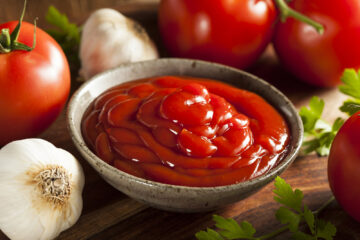
When Ketchup Was Sold as Medicine, Not a Condiment
Grab a bottle of ketchup from the fridge today, and it’s hard to think of it as anything but a burger topping. But in the 1830s, Americans weren’t squeezing ketchup onto fries — they were Read more
Discover surprising facts and stories about the foods you eat every day.
Explore thoughtfully written articles about ingredients, food history, and culinary traditions.
Grab a bottle of ketchup from the fridge today, and it’s hard to think of it as anything but a burger topping. But in the 1830s, Americans weren’t squeezing ketchup onto fries — they were Read more
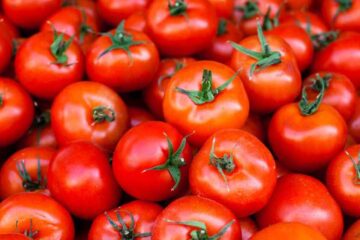
Everyone knows carrots are orange — but they weren't always. For most of their cultivated history, carrots were purple, yellow, and white. The Dutch bred the orange variety we know today, and legend says it was a tribute to William of Orange. The truth, it turns out, is far less romantic — and far more interesting.
Walk into any kitchen and ask someone whether a tomato is a fruit or a vegetable, and you’ll probably get a confident, immediate answer. The trouble is, depending on who’s answering, you’ll get two completely Read more
That chalky white film on a chocolate bar usually means bloom, not spoilage. The short version is that chocolate can turn white in two different ways: fat bloom, when cocoa butter moves and recrystallizes, or Read more
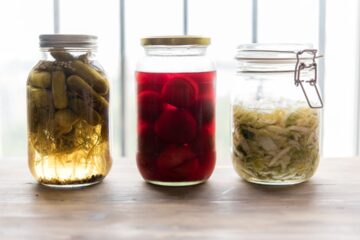
Raw sauerkraut is refrigerated because it still contains live lactic acid bacteria, while shelf-stable sauerkraut has usually been pasteurized hot enough to stop fermentation and kill those microbes. In plain English, both jars may have Read more
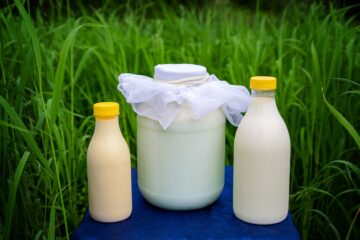
Kefir and yogurt both ferment milk with lactic acid bacteria, but kefir's grain-based culture of 30-plus bacterial and yeast strains creates a fizzier, thinner, more microbially diverse drink than yogurt's two-strain fermentation.
Only fermented foods that are both unpasteurized and still biologically active when you eat them can deliver live microbes to the intestine. In plain English, fermentation alone is not enough. A food can be fermented Read more
Double-blind studies have failed to reproducibly link MSG to headaches. That is the short answer. Monosodium glutamate is simply the sodium salt of glutamic acid, an amino acid already present in foods like tomatoes, mushrooms, Read more
Prebiotic is not a wellness magic word. A food really qualifies when it contains a carbohydrate that your small intestine does not fully digest, but your gut microbes can ferment lower down in the colon. Read more
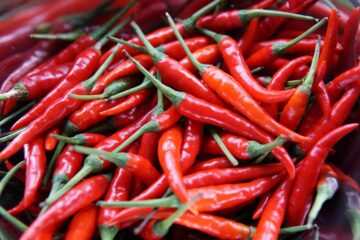
Capsaicin makes food feel hot because it binds to TRPV1 receptors on your tongue, the same heat-sensitive nerve receptors that normally respond to actual high temperatures. In plain English, your brain is being tricked into Read more
Food myths survive because they usually contain one tiny piece of truth wrapped in a much bigger misunderstanding. This index is built to sort that out fast: each myth below gets a verdict, a short Read more
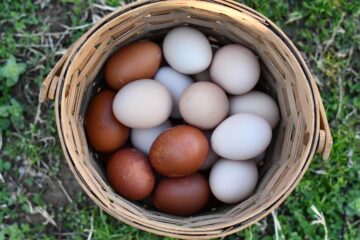
Brown eggs are not healthier than white eggs. The shell color is the breed of hen, full stop. Brown-egg layers are typically larger birds that need more feed just to maintain their bodies and keep Read more
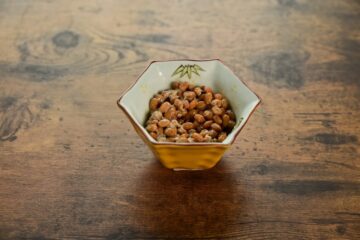
What is natto? It is whole soybeans fermented by Bacillus subtilis, usually served as one small pack over hot rice. The beans are nutty, savory, and famously sticky. That stickiness is the point, not a Read more
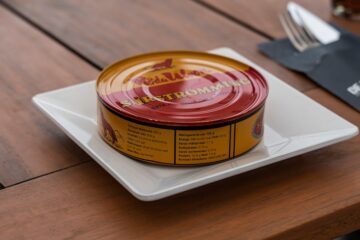
Why does fermented Baltic herring smell so extreme? Because the fish is only lightly salted, then left to break itself down through its own enzymes while salt-tolerant microbes keep working for months. That combination creates Read more
A single vanilla flower opens for one day, and every pod that becomes a bean starts with a grower's hands. From there it takes 6 to 9 months of curing, a market dominated by one cyclone-prone country, and a price history that once topped $600 per kilogram. Here's the full story behind the cost.
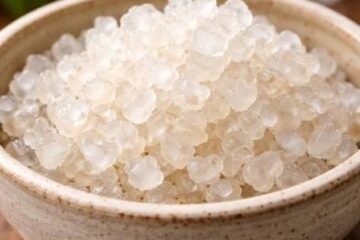
Kefir grains aren't cereal grains — they're a living SCOBY built from bacteria, yeast, and a polysaccharide scaffold called kefiran. Here's exactly what's inside and how it all works.
Onions make you cry through a two-enzyme cascade that produces syn-propanethial-S-oxide, a volatile sulfur compound. Learn the full chemistry and which kitchen tricks actually reduce tearing.
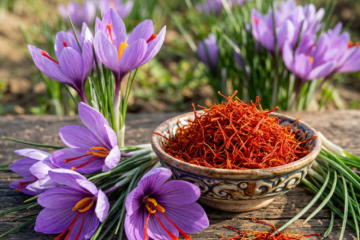
Saffron is one of the world's most valuable spices—but the reason isn't just its flavor.
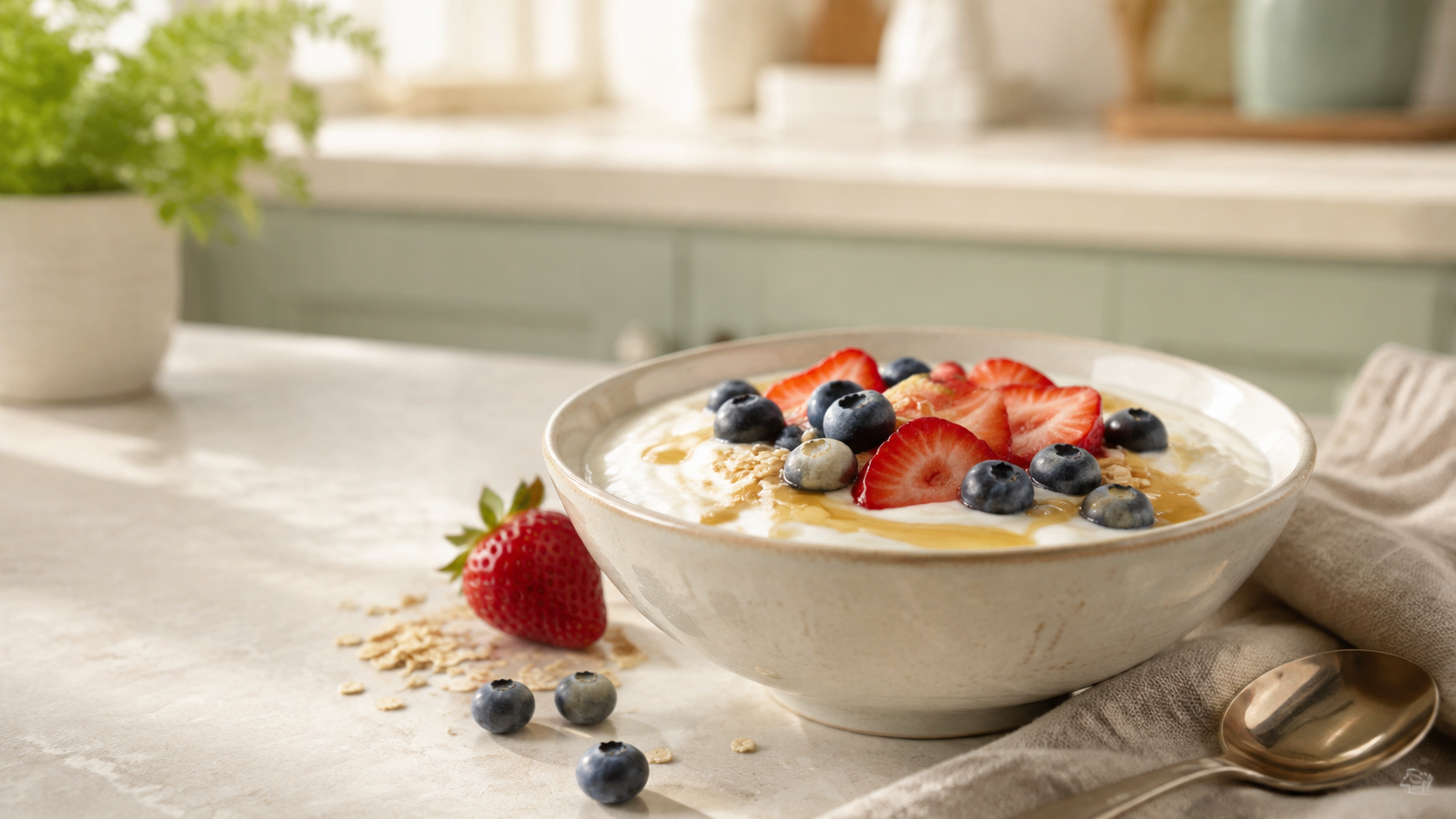
Some types of yogurt contain live cultures that may help support a healthy and balanced digestive system.