What is natto? It is whole soybeans fermented by Bacillus subtilis, usually served as one small pack over hot rice. The beans are nutty, savory, and famously sticky. That stickiness is the point, not a flaw, and it comes from a real microbial mechanism rather than from slime or starch.
In Japan, natto has been part of breakfast for about a thousand years, and the classic serving is still simple: a small tray of fermented beans, stirred until glossy and stringy, then spooned onto rice with soy sauce, mustard, or scallions. If you have ever wondered why stirring creates those threads, the answer is a long-chain amino acid polymer called polyglutamate.
What Is Natto?
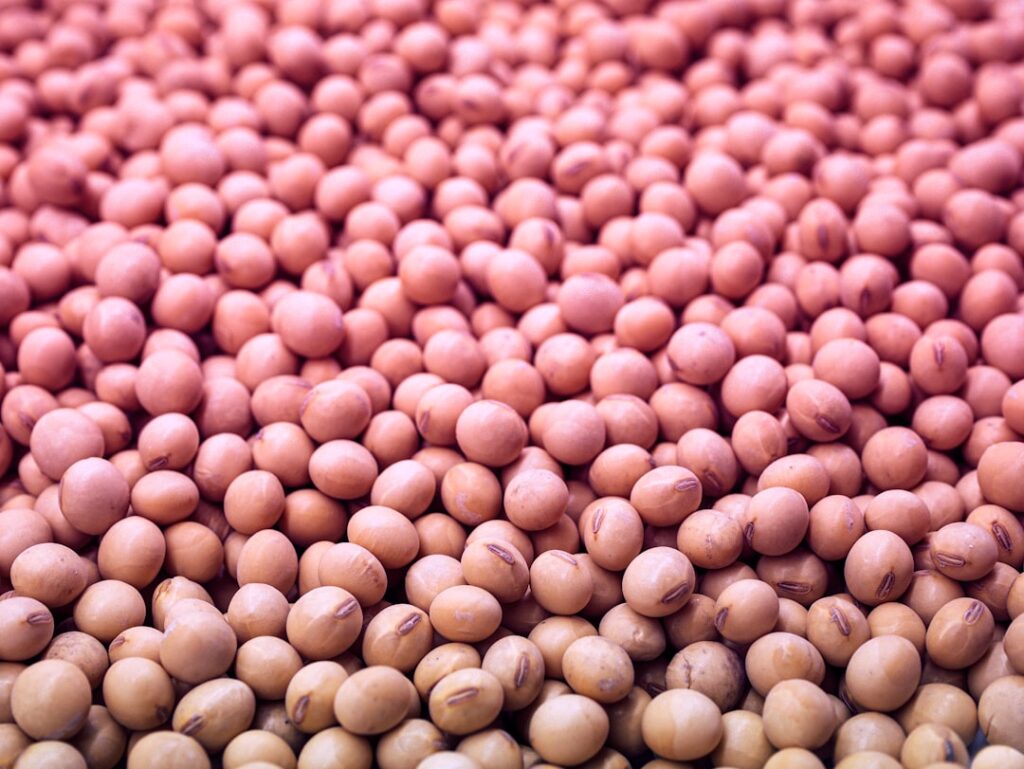
Natto is fermented whole soybeans, not a paste and not a sauce. The beans are cooked, inoculated with Bacillus subtilis, then held warm for fermentation, usually around 40°C for roughly 24 hours before cooling and maturation.
That process gives natto its dark beige color, sharp aroma, and tacky surface. A typical serving is one small pack, often around 40 to 50 grams, served over rice as part of breakfast. If you enjoy sweet, mild soybean ferments too, compare it with shiro miso, which uses a completely different microbe and ends up smooth rather than stringy.
One surprising fact explains how natto was likely discovered in the first place. The same Bacillus subtilis used to make natto occurs naturally on rice straw. Before pure starter cultures, warm cooked soybeans wrapped in straw could ferment on their own, which is why rice-straw natto remains part of the food’s origin story.
How Bacillus subtilis Creates the Strings
Natto gets stringy because the bacteria make polyglutamate, also called poly-γ-glutamic acid. This is a long chain built from glutamic acid, an amino acid. As the bacteria grow on the beans, they produce this polymer outside the cell, where it coats the soybeans and links into those sticky threads.
When you stir natto, you are not creating the stickiness from scratch. You are stretching and aligning the polyglutamate-rich coating into visible strands, which is why a few turns look tacky and many turns look almost web-like. The more the beans separate and reconnect, the more those threads show up.
This also explains why natto feels different from other fermented foods. The texture is not oily, gelatinous, or cheesy. It is elastic. For a very different kind of fermentation shock, see surströmming, where the signature effect is intense aroma rather than strings.
If you’re experiencing these symptoms, our team at Gastronomy Facts And Articles can help. Send us the food question you cannot stop thinking about, and we will break down the mechanism behind it.
A Thousand Years of Japanese Breakfast

Natto is not a novelty food in Japan. It is a long-running breakfast staple with roots going back roughly a thousand years, valued because soybeans were nourishing, affordable, and easy to pair with freshly cooked rice.
That breakfast context matters. A small pack of natto is usually not eaten alone like a snack. It is part of a meal, often with rice, miso soup, and pickles. The beans bring protein and a strong fermented note, while hot rice softens the aroma and gives the sticky threads something to cling to.
Traditional rice-straw natto, sometimes called warazuto natto, still points back to the old method. Today most natto is made under controlled temperature and humidity, but the breakfast ritual remains familiar: open the pack, add the seasoning packet, stir hard, and spoon it over rice.
The Smell, the Taste, the Stir

Natto smells strong, tastes savory and slightly bitter, and changes texture dramatically when stirred. If you are new to it, the best way to understand natto is to treat stirring as part of the eating experience, not just a prep step.
Stirring adds air, loosens the beans, and pulls the polyglutamate into long threads. Some people stir only a few times for a denser bite. Others stir until the beans turn foamy and the strings become long enough to lift from bowl to chopsticks. Either way, one small pack over rice is the standard place to start.
| Detail | What to know |
|---|---|
| Main ingredient | Whole soybeans |
| Microbe | Bacillus subtilis |
| Typical fermentation temperature | About 40°C |
| Typical fermentation time | About 24 hours |
| Why it gets sticky | Bacteria produce polyglutamate around the beans |
| Common serving | One small pack over rice |
Curious About More Fermented Foods?
Natto makes more sense once you see that every fermented food highlights a different trick of microbiology. Some microbes build aroma. Some create acids. Natto’s signature move is texture. That is why it can seem strange on first bite and completely logical on the second.
If this made you look at your breakfast differently, Gastronomy Facts And Articles has more food science and food history to explore. Read next about why shiro miso tastes so sweet and mild or what makes surströmming smell so extreme. Contact Gastronomy Facts And Articles today to schedule a consultation.
Frequently Asked Questions
What is natto made of?
Natto is made from whole soybeans fermented by Bacillus subtilis, a bacterium used specifically for natto production.
Why is natto so sticky?
Natto is sticky because the bacteria produce polyglutamate, also called poly-γ-glutamic acid, a long-chain amino acid polymer that coats the beans and forms threads when stirred.
How is natto usually eaten?
Natto is commonly eaten as a Japanese breakfast food, usually one small pack stirred and served over hot rice, often with soy sauce, mustard, or scallions.
How long does natto take to ferment?
A typical natto fermentation takes about 24 hours at around 40°C, followed by cooling and maturation.
How was natto discovered?
Natto was likely discovered when cooked soybeans were wrapped in rice straw, which naturally carries Bacillus subtilis, allowing the beans to ferment on their own.

0 Comments