Every vanilla orchid flower has to be hand-pollinated within a single day, and that one detail explains a lot about the price. Miss the window and that flower will not become a bean. From there, the pods still need months of sorting, sweating, drying, and conditioning before they smell like vanilla at all. If you have wondered why a small bottle costs more than expected, this is the real supply-chain story.
The short version is simple: vanilla is one of the most labor-heavy flavors in the food world. The long version is more interesting, because it combines orchid biology, weather risk, export markets, and a huge price gap between real beans and synthetic vanillin. If you enjoy origin stories in food, you might also like our look at why saffron is so expensive and our guide to single-origin spices.
The Vanilla Orchid and the 24-Hour Pollination Window
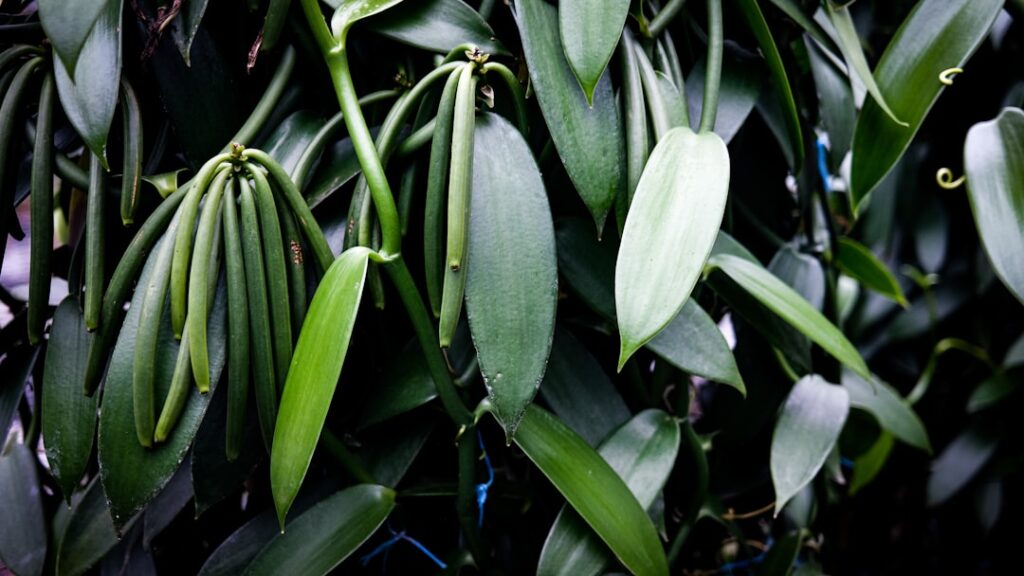
Vanilla is expensive first because the flower is demanding. Outside Mexico, where native pollinators evolved with the plant, commercial vanilla orchids are usually pollinated by hand, and each flower is only open for about one day. That means growers have a tiny window to turn a blossom into a future pod.
Workers move flower by flower, lifting a thin membrane and pressing the male and female parts together by hand. It is delicate work, but it has to be done fast during the flowering season. A useful scale fact: Symrise notes that roughly 600 blossoms must be pollinated to produce about 6 kilograms of green beans. That is a lot of labor before curing even begins.
Here is the part many shoppers do not know: fresh vanilla pods do not smell strongly vanilla-like when they are picked. The familiar aroma develops later, after enzymes inside the pod begin transforming flavor precursors during curing. So the bean you buy is the end product of both farm labor and post-harvest craft.
If you’re experiencing these symptoms, our team at Gastronomy Facts And Articles can help. We break down food myths and ingredient economics in plain language so the next expensive grocery item makes more sense before it hits your cart.
The Multi-Stage Cure That Takes Months
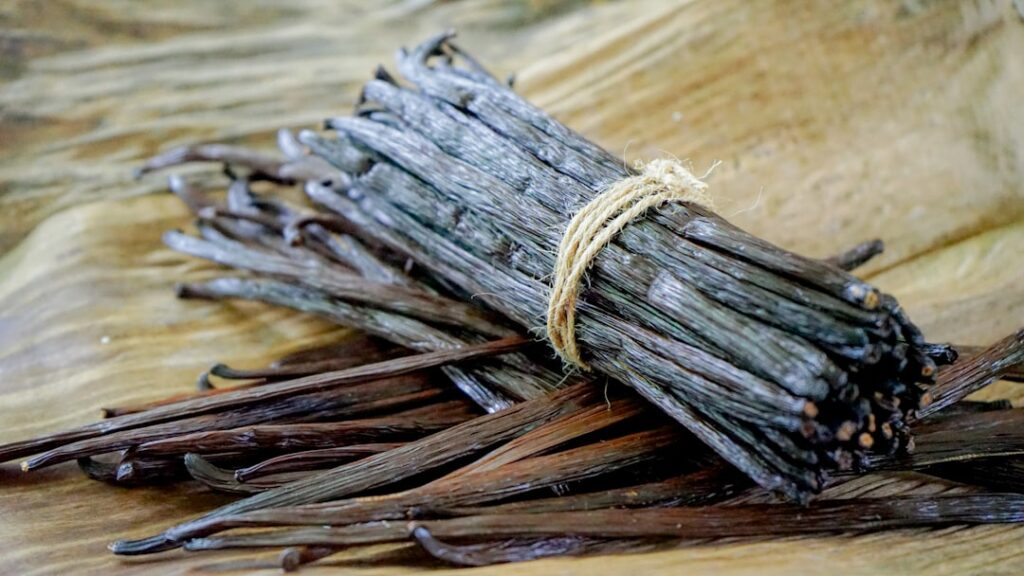
The green pod becomes a fragrant vanilla bean through a curing process that typically takes about 6 to 9 months. Producers usually move the pods through several stages: killing or wilting to stop growth, sweating to trigger enzymatic reactions, drying to reduce moisture, and conditioning to deepen and stabilize aroma.
During sweating, the beans are warmed and wrapped so enzymes can keep working. During drying, they lose water slowly and have to be handled carefully to avoid mold, splitting, or uneven quality. Conditioning then stores the beans for weeks or months so the aroma rounds out. This is why vanilla is not just harvested. It is effectively manufactured in slow motion.
That long timeline ties up money across the whole chain. Farmers wait for pollination and harvest. Curers wait months before the product is saleable. Exporters and buyers sort by moisture, length, appearance, and aroma. By the time a bakery or home cook opens a jar, a single bean may represent close to a year of work from blossom to finished ingredient.
Why Madagascar Matters and Why Cyclones Spike Prices
Madagascar matters because it dominates global supply. Industry and development sources consistently place the country at roughly 80% of the world vanilla market, especially for Bourbon vanilla. When one place matters that much, local shocks stop being local.
Cyclones are the clearest example. Vanilla vines are vulnerable to wind damage, and storms can destroy flowers, knock down support trees, or ruin pods before harvest. Even the threat of a bad cyclone season can move prices, because buyers start worrying about future supply months before cured beans reach the export market.
The vanilla market has a history of dramatic spikes. A recent World Bank report notes that prices went above US$600 per kilogram during the 2019 market peak. More recent market snapshots are much lower, but still far above many common spices. In July 2026, one market tracker listed vanilla in the U.S. at about US$158.73 per kilogram, while a bulk retail listing showed Madagascar Grade A beans around US$225 per kilogram for a 1-kilogram purchase.
| Item | Typical pricing signal | What it shows |
|---|---|---|
| Cured vanilla at 2019 peak | Above US$600 per kg | How severely supply shocks can hit the market |
| U.S. vanilla market snapshot, July 2026 | About US$158.73 per kg | Prices have cooled from peak volatility but remain high |
| Bulk Madagascar Grade A beans, 1 kg retail listing | About US$225 per kg | Consumer-facing bulk prices can run above market averages |
| Imitation vanilla, 1 gallon foodservice listing | About US$7.22 per gallon | Synthetic vanilla flavor is dramatically cheaper per unit |
The huh-didn’t-know-that fact here is that vanilla can become expensive even before a shortage is real. Because the crop takes so long to grow and cure, traders react to expected damage, not just harvested damage. In a market this concentrated, weather forecasts can influence grocery prices months later.
Imitation Vanillin: The $10 Alternative Explained
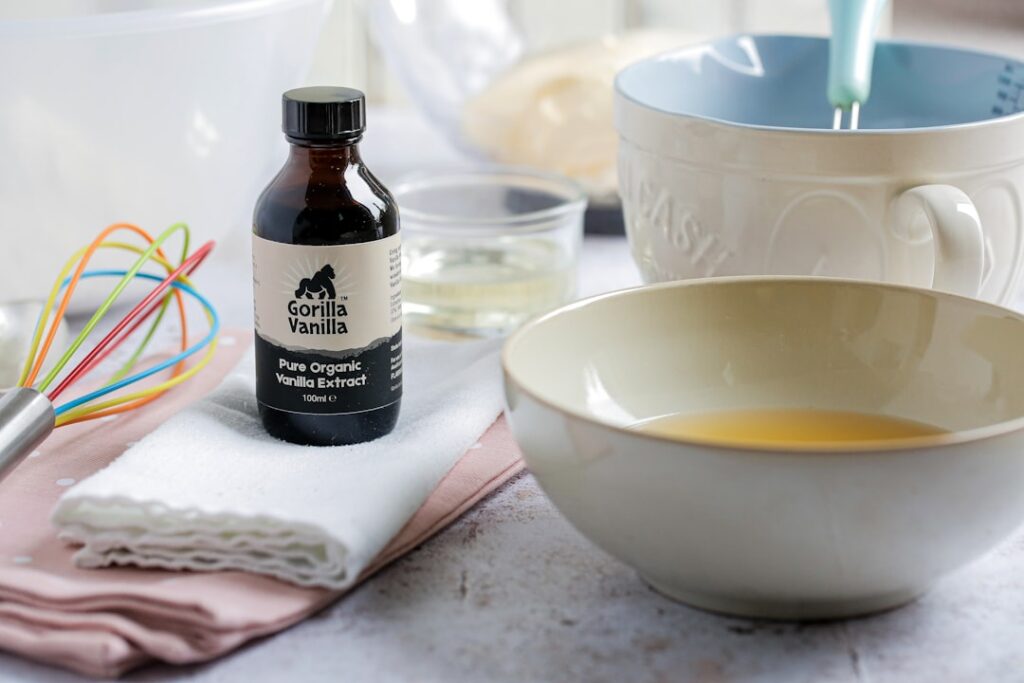
Imitation vanilla is cheap because it skips almost the entire agricultural story. Instead of paying for hand-pollinated orchids and months of curing, manufacturers produce vanillin directly. The two common source routes are lignin from wood-pulp processing and guaiacol, a petrochemical-derived precursor used for most food-grade synthetic vanillin.
That is why the price gap looks almost absurd. A restaurant-supply listing in 2026 showed one gallon of imitation vanilla flavor at about US$7.22, and another mass-market listing showed a 32-fluid-ounce imitation vanilla product for about US$9.14. Real vanilla is more complex aromatically because cured beans contain many compounds beyond vanillin, but imitation vanilla wins easily on cost and consistency.
For some uses, especially baked goods with lots of sugar, butter, chocolate, or heat, imitation vanilla can perform well enough that many cooks barely notice. But in ice cream, pastry cream, whipped cream, custard, or anything where vanilla is the main event, real beans or pure extract usually taste rounder and more layered. That difference is not magic. It is chemistry plus time.
Read Next: More on Expensive Foods
Vanilla is a good reminder that food prices often reflect fragility, not hype. A one-day pollination window, a 6 to 9 month cure, and dependence on one cyclone-prone region make real vanilla unusually vulnerable to shocks. If that kind of supply-chain story interests you, read next on saffron and explore how place shapes flavor in single-origin spices.
Contact Gastronomy Facts And Articles today to schedule a consultation. Or send us the next food question you want unpacked, and we may turn it into a clear, evidence-based explainer.
Frequently Asked Questions
Why is vanilla more expensive than most spices?
Vanilla requires hand pollination, careful harvesting, and a curing process that usually takes 6 to 9 months. It is one of the most labor-intensive flavor ingredients in the food world.
Does Madagascar really dominate the vanilla market?
Yes. Madagascar is widely cited as producing roughly 80% of the world’s vanilla supply, which is why storms there can affect prices globally.
Why do cyclones change vanilla prices so quickly?
Cyclones can damage vanilla vines, flowers, and pods before harvest. Because vanilla takes so long to grow and cure, even expected storm damage can push prices higher before the full crop is processed.
What is imitation vanilla made from?
Most imitation vanilla uses synthetic vanillin. It is commonly made either from lignin associated with wood-pulp processing or from guaiacol, which is typically derived through petrochemical routes.
Does imitation vanilla taste the same as real vanilla?
Not exactly. Imitation vanilla focuses mainly on vanillin, while real vanilla contains many aroma compounds created during curing. In strongly flavored baked goods the difference can be smaller, but in vanilla-forward desserts real vanilla usually tastes more complex.
0 Comments