Food myths survive because they usually contain one tiny piece of truth wrapped in a much bigger misunderstanding. This index is built to sort that out fast: each myth below gets a verdict, a short mechanism-based explanation, and a placeholder link to a full breakdown so you can go deeper without wading through kitchen folklore.
We wrote this for the cook who has heard five different opinions about MSG safety, egg color, sugar, microwaves, and produce labels and wants the plain-language science. Where the answer is genuinely mixed, we say so. Where the myth collapses under basic chemistry, we say that too.
What This Index Is and Why You're Here
This is a myth-checking hub, not a vague roundup. Each entry gives you a verdict, the mechanism that actually explains what is happening, and a link placeholder for a dedicated article. If you have ever wondered why people keep repeating the same claims about eggs, sugar, salt, chocolate, or probiotics, this is the fast map before the deeper dive.
The 25 Food Myths, Ranked by How Often People Repeat Them
Myth 1 to 5: Eggs, Sugar, and MSG
| Myth | Verdict | What the science says | Full article |
|---|---|---|---|
| 1. MSG is dangerous for most people | False | MSG is sodium plus glutamate, a form of an amino acid that also occurs naturally in foods like tomatoes and cheese. The reason the myth stuck is that anecdotal symptom reports spread faster than dose context. The U.S. FDA considers MSG generally recognized as safe, and the mechanism-based point is simple: your body does not treat glutamate from MSG as a mysterious toxin just because it came from a shaker. | Full article coming soon |
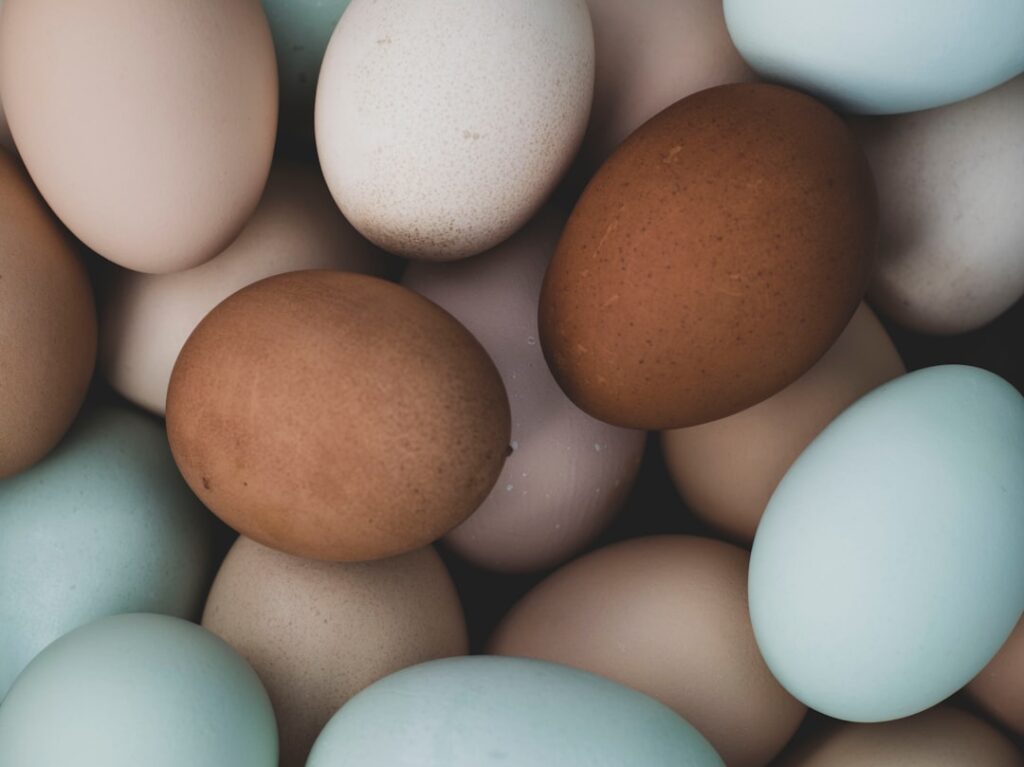
| 2. Brown eggs are more nutritious than white eggs | False | Egg shell color mainly tracks hen breed, not superior nutrition. Here is the detail that surprises most people: the shell is the packaging, not the nutrition label. USDA guidance says nutrient levels are not significantly different just because one shell is brown and another is white. What changes eggs more is feed, handling, freshness, and sometimes fortification. | Full article coming soon |
| 3. Raw sugar, cane sugar, honey, and white sugar are all metabolically different enough to make one a health halo | It's Complicated | Different sweeteners can carry trace minerals, flavors, water content, and slightly different ratios of glucose and fructose, so they are not chemically identical in every culinary sense. But the big metabolic story is that most concentrated sweeteners still deliver a lot of sugar quickly. In plain English, swapping table sugar for honey can change moisture and flavor in baking, but it does not magically turn dessert into a health food. | Full article coming soon |
| 4. Yolk color tells you how nutritious an egg is | It's Complicated | Darker yolks often reflect more carotenoid pigments in the hen's feed, so color can sometimes hint at differences in certain compounds. But color is not a complete nutrition report. Think of it like paint on a wall: it tells you something real about the materials used, but not everything about the whole structure. A deep orange yolk is not automatic proof of a better egg in every nutritional category. | Full article coming soon |
| 5. All sugar makes kids instantly hyper | False | The myth feels true because sugar often shows up at parties, holidays, and exciting events where children are already more activated. Mechanistically, blood sugar changes do not map neatly onto the dramatic behavior shift many adults expect. Context, expectation, and stimulation matter a lot. That is why cake at a birthday party gets blamed for excitement that probably had more than one cause. | Full article coming soon |
Myth 6 to 10: Salt, Spices, and Cooking Temperature

These myths persist because kitchen results are real even when the explanation is wrong. Salt changes proteins and moisture movement, capsaicin triggers pain receptors rather than literal heat damage, and cooking temperature affects both food safety and texture in ways that people often compress into oversimplified rules.
6. Myth: Salt always makes meat dry out. Verdict: It's Complicated. Salt can pull moisture to the surface at first, which makes the myth feel obvious, but given enough time it also dissolves some muscle proteins and helps the food hold onto water better. Timing is the whole story.
7. Myth: Sea salt is healthier than table salt. Verdict: It's Complicated. Sea salt and table salt can differ in crystal size, texture, and trace minerals, but in ordinary culinary use the sodium story still dominates. Here is the part many readers do not expect: the more important health distinction may be whether the salt is iodized, not whether it looks fancy in a grinder.
8. Myth: Spicy food burns holes in your stomach. Verdict: False. Capsaicin binds to heat-sensitive receptors and creates a burning sensation, but sensation is not the same thing as tissue destruction in a healthy digestive tract. If you have ever felt your mouth on fire after chili oil, that is receptor chemistry talking, not your anatomy dissolving.
9. Myth: Searing meat locks in juices. Verdict: False. Searing drives browning reactions and builds flavor, but it does not form a waterproof shell. Water still moves as the meat cooks. The payoff is taste, not a magic moisture barrier, which is why overcooked seared meat can still end up dry.
10. Myth: Microwaving destroys nutrients. Verdict: False. Microwaves heat water molecules in food; they do not create a special nutrient-killing force field. Nutrient loss depends mostly on time, temperature, and water. Because microwave cooking is often fast and uses little added water, it can preserve nutrients as well as, or sometimes better than, methods like boiling. For related kitchen science, see our placeholder for food preservation mechanics.
Myth 11 to 15: Dairy, Fermentation, and Probiotics
Fermented foods attract myths because invisible microbes sound mysterious. The real answer is usually about strains, storage, acidity, and processing. One yogurt or fermented drink can behave very differently from another even when the front label makes them look interchangeable.
11. Myth: Everyone is lactose intolerant if they pay attention closely enough. Verdict: False. Lactose intolerance depends on how much lactase enzyme a person makes and how much lactose they consume at once. It is not universal, and dose matters. Some people handle yogurt or hard cheese much better because bacteria or aging have already reduced some lactose.
12. Myth: Yogurt always contains live probiotics that survive to help you. Verdict: It's Complicated. Some yogurts contain live cultures, some are heat-treated after fermentation, and not every live culture qualifies as a probiotic with proven benefit. In plain English, fermentation and probiotic effect are related ideas, but they are not the same claim. This is exactly the kind of distinction Gastronomy Facts And Articles likes to unpack.
13. Myth: Fermented foods are automatically healthier than non-fermented versions. Verdict: It's Complicated. Fermentation can create acids, aromas, and texture changes, and sometimes improves shelf life or digestibility. But it can also leave a food high in salt, sugar, or calories depending on the product. Think of fermentation as a process, not a moral upgrade.
14. Myth: Probiotic supplements are tightly regulated and proven across the board. Verdict: False. The science is strain-specific, condition-specific, and product-specific. U.S. regulators do not treat ordinary probiotic supplements like fully approved drugs for every claimed benefit. That means one product may have evidence for a narrow use while another mostly has marketing language.
15. Myth: Mold on hard cheese means the whole block is ruined. Verdict: It's Complicated. On hard cheese, mold penetration tends to be more limited than on soft foods, so cutting well around the spot can sometimes be acceptable. But soft cheeses are a different story because moisture lets mold and bacteria spread more easily. Texture changes the safety logic.
Myth 16 to 20: Produce, Organic, and Shelf Life
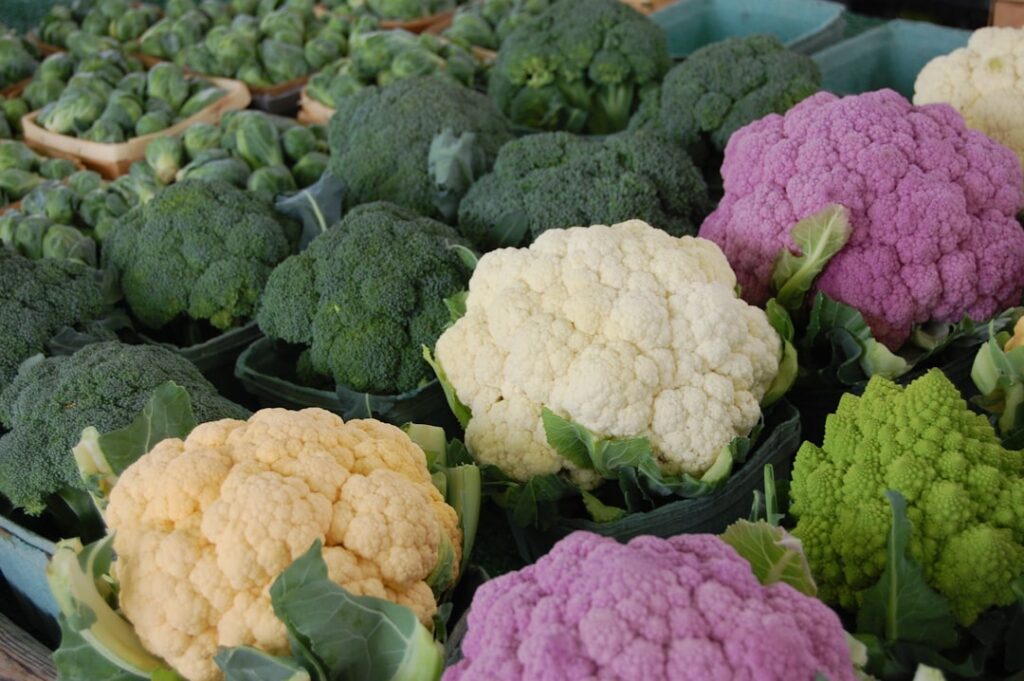
Produce myths stick because labels feel like shortcuts. Fresh sounds wholesome, organic sounds superior, and ugly produce looks suspicious. But plants keep changing after harvest, and farming methods affect multiple variables at once, which means the cleanest-sounding claim is not always the most useful one.
16. Myth: Fresh vegetables are always more nutritious than frozen. Verdict: False. Frozen produce is usually processed soon after harvest, and freezing itself does not destroy nutrients. Here is the detail that surprises most people: a vegetable that sat in transport and storage for days can lose ground to a frozen one picked and preserved near peak condition.
17. Myth: Organic food is always more nutritious. Verdict: It's Complicated. Organic growing standards say a lot about production methods, but they do not guarantee a simple across-the-board nutrient victory in every crop, season, or farm system. Variety, soil, ripeness, handling, and storage matter too. The organic label answers some questions, not all of them.
18. Myth: Ugly produce tastes worse and has less nutrition. Verdict: False. Shape, scarring, and cosmetic oddities often reflect growing conditions or handling rather than inferior chemistry. A crooked carrot is still a carrot. If you have ever cut into a weird-looking tomato and found it excellent, your own kitchen has already tested this myth.
19. Myth: Washing produce with soap makes it safer. Verdict: False. Soap is not meant to be absorbed or linger on food surfaces, and rinsing produce under running water is the standard advice for most fruits and vegetables. The mechanism matters: you want physical removal of dirt and some microbes, not a soapy residue on your salad.
20. Myth: Refrigerating all produce makes it last longer. Verdict: It's Complicated. Cold slows many spoilage processes, but some produce is chill-sensitive and can lose flavor or texture when stored too cold. Tomatoes, bananas, and some tropical produce often show why one blanket rule fails. Shelf life is really a map of different plant tissues responding differently to temperature.
Myth 21 to 25: Chocolate, Honey, and Bread

These are the myths people discover in the pantry after opening a bag, jar, or loaf and finding something unexpected. The answer usually comes down to water activity, fat structure, sugar crystallization, and mold growth. In other words, the shelf does not stop food science. It just slows it down.
21. Myth: White streaks on chocolate mean it is spoiled. Verdict: It's Complicated. Those streaks are often fat bloom or sugar bloom, where cocoa butter crystals or sugar move and recrystallize on the surface. The chocolate is usually still safe, but texture and snap may suffer. Spoilage and structural change are not the same thing.
22. Myth: Honey never goes bad. Verdict: It's Complicated. Honey's low water activity and acidity make it unusually shelf-stable, which is why it lasts a very long time when stored well. But quality can still change, and crystallization is common. Here is the part many readers do not expect: crystals are usually a structure change, not proof that the honey is unsafe.
23. Myth: If one slice of bread has mold, you can just cut it off and eat the rest. Verdict: False. Soft bread lets mold threads spread below the surface even when you only see one fuzzy patch. That is why food safety guidance treats moldy bread differently from a very hard food where spread is more limited.
24. Myth: Stale bread means the bread has dried out completely. Verdict: False. Staling is largely about starch retrogradation, which means starch molecules reorganize and firm up over time. Moisture moves around inside the loaf, but the key change is structural. That is why bread can feel stale even before it feels truly dry.
25. Myth: Dark chocolate is always healthy enough to eat without much thought. Verdict: It's Complicated. Dark chocolate usually contains more cocoa solids and often less sugar than milk chocolate, which changes flavor and can shift some nutritional details. But energy density still matters, and products vary a lot. A useful rule is to think of dark chocolate as a potentially smarter dessert choice, not a free pass.
The Patterns: Why These Myths Stick
Most food myths spread for three reasons: old science that never got updated, marketing that turns a small difference into a grand promise, and repetition that makes a shaky claim feel like common sense. Once a myth attaches to something you can see, like a brown shell or a darker yolk, it becomes even harder to shake because the visual cue feels like evidence.
The deeper pattern is that food science rarely rewards one-word answers. Mechanisms matter. Water activity matters. Protein structure matters. Microbial strain matters. That is why one myth can sound plausible for years and still fall apart the moment you ask what exact molecule, organism, or process is supposed to be doing the work.
If you're experiencing these symptoms, our team at Gastronomy Facts And Articles can help. In this case, the symptom is a kitchen question that keeps nagging at you after dinner, at the grocery store, or halfway through a recipe.
Have a Myth We Should Check?
Some of the best myth investigations start with a reader saying, I have heard this my whole life and I do not know whether to believe it anymore. Send us the food question you cannot stop thinking about, and we will break down the mechanism behind it in plain English.
Want to Go Deeper?
Use this index as your map, then follow the myths that matter most to your kitchen. We will keep building the full articles behind each placeholder so the next time someone tells you microwaves kill nutrients or brown eggs are better, you will know exactly which process to point to and why it matters. Contact Gastronomy Facts And Articles today to schedule a consultation.
Frequently Asked Questions
Are all 25 myths simply false?
No. Several myths are genuinely mixed, so the article uses It’s Complicated when the mechanism depends on dose, context, storage, strain, or food type.
Is MSG actually unsafe for most people?
No. MSG is generally recognized as safe, and the myth mainly persists because anecdotal reports spread faster than dose-based context.
Are brown eggs more nutritious than white eggs?
No. Shell color mainly reflects hen breed, not better nutrition. Feed, freshness, and handling matter more than shell color.
Does microwaving destroy nutrients?
Not automatically. Nutrient loss depends mostly on time, temperature, and water, and microwave cooking can preserve nutrients well because it is often fast and uses little added water.
Does organic always mean more nutritious?
No. Organic standards describe production methods, but they do not guarantee higher nutrition in every crop, season, or farm system.
1 Comment
Why Does Chocolate Turn White? It's Not Mold - Gastronomy Life · August 23, 2026 at 8:17 am
[…] changes do not always mean spoilage. If that kind of distinction interests you, our article on food myths that survive because they look true shows how often appearance sends cooks in the wrong […]