Why does fermented Baltic herring smell so extreme? Because the fish is only lightly salted, then left to break itself down through its own enzymes while salt-tolerant microbes keep working for months. That combination creates the sulfurous, cheesy, sharp aroma people associate with Swedish surströmming, and it also explains why the can can puff up without the food being spoiled.
Surströmming is one of those foods that sounds like a dare until you understand the chemistry. The fish is preserved by controlled fermentation, not neglect. That matters if you are curious about how old preservation methods worked before refrigeration, or why a food can smell aggressive and still be intentionally made that way. If you enjoy fermentation trivia, you might also like our guide to natto and why it gets so sticky.
What’s Actually Happening Inside the Can?
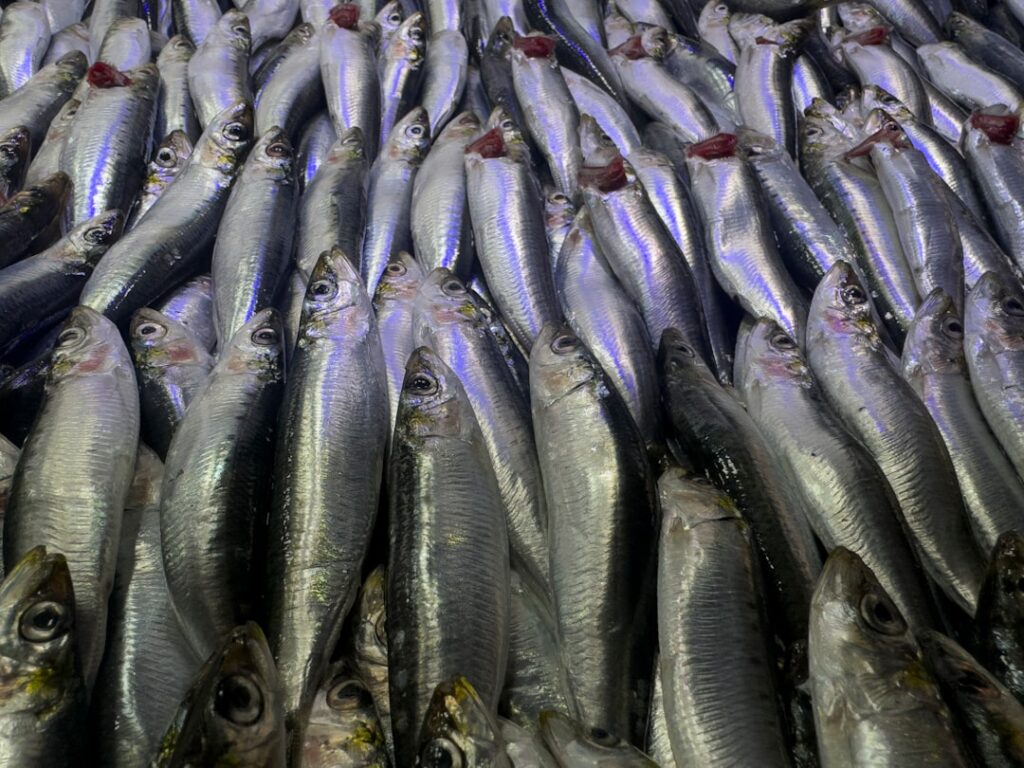
Inside a can of surströmming, the herring is undergoing controlled breakdown. The fish is lightly salted, which slows harmful spoilage but still allows enzymatic activity and fermentation to continue over time. In plain English, the fish softens and sours because its own tissues and salt-tolerant bacteria keep changing it long after packing.
The process starts with Baltic herring that is cured with relatively little salt compared with fully salt-preserved fish. That lower salt level is the key move. It holds back outright rot, but it does not shut the system down. Enzymes already present in the fish begin autolysis, meaning they break down proteins and other components from within. Salt-tolerant bacteria, including lactic acid bacteria, add another layer by producing acids and other fermentation byproducts.
Here is the part many readers do not expect: the famous smell is not one single odor. It is a whole mix of breakdown products, each pulling the aroma in a different direction. Some smell sulfurous, some buttery, some sharp, and some distinctly pungent. That is why opening the can feels less like smelling one ingredient and more like getting hit by a chemical chorus.
We love this as a food-history example because it shows how people preserved protein before cold storage was normal. Fermentation predates refrigeration by centuries, so a food like surströmming is not a novelty invention. It is a survival technology that became a taste tradition. If you’re experiencing these symptoms, our team at Gastronomy Facts And Articles can help.
The Compounds Behind the Smell
The smell comes from a mix of sulfur compounds, acids, and nitrogen compounds made during breakdown and fermentation. Hydrogen sulfide brings the rotten-egg note, butyric acid adds a rancid-butter smell, and ammonia contributes the sharp, nasal edge people notice right away.
| Compound | What It Contributes |
|---|---|
| Hydrogen sulfide | Rotten-egg, sulfur smell |
| Butyric acid | Rancid-butter or aged-cheese note |
| Ammonia | Sharp, alkaline, nose-prickling aroma |
| Lactic acid | Sourness that signals fermentation rather than fresh fish flavor |
These compounds do not appear by accident. Autolysis breaks larger molecules into smaller pieces, and microbial activity turns some of those pieces into volatile compounds that escape into the air fast the moment the can opens. That is also why the smell seems stronger than the taste. Your nose catches those compounds before your palate has a chance to sort them out.
For food lovers, this is the fun comparison point: strong cheese, fish sauce, and natto all reward the same kind of eater. They smell intense because fermentation concentrates signals that the brain reads as unusual, but fans learn to separate aroma shock from actual flavor.
Why the Can Bulges — and Is That Safe?
A bulging surströmming can is usually a sign that fermentation has continued to generate gas inside the sealed container. With this food, that swelling is expected. It looks alarming, but in a properly produced can it reflects ongoing fermentation, not automatically dangerous spoilage.
The gas builds because microbial activity continues after canning. As fermentation byproducts accumulate, pressure increases and the lid bows outward. That is why unopened cans are often stored carefully and opened outdoors or underwater in a bucket. The goal is not safety theater. It is simple splash control.
The safety piece comes down to process. Surströmming is made with salt, acidity, and a traditional fermentation environment that favors the intended microbes. That does not mean every swollen can of food is safe in general. It means this specific product is unusual because can swelling is part of how the fermentation behaves. If the can is damaged, leaking, or stored improperly, common-sense caution still applies.
The practical takeaway is simple: a puffed surströmming can is not the same thing as a random bulging can in your pantry. Context matters. That little bit of food science clears up a lot of internet myths.
How It’s Traditionally Eaten in Sweden

Traditionally, surströmming is not eaten straight from the can by itself. It is usually served in a simple assembly with tunnbröd, potatoes, and onion, which balance the salt, funk, and richness. The ritual matters as much as the ingredient.
A classic serving involves opening the fish, cleaning it, and laying small pieces onto thin flatbread with boiled potatoes and chopped onion. The bread softens the impact, the potatoes absorb salt, and the onion adds crisp sweetness. Instead of fighting the strong flavor, the meal spreads it out so every bite is more balanced than first-timers expect.
This is the part trivia seekers usually enjoy most: surströmming has a social script. People gather, open it carefully, build bites, laugh about the smell, and then argue over whether it is delicious or just historically fascinating. Either way, the ritual turns an extreme food into a shared meal rather than a stunt.
Read Next: More Fermented Food Traditions
If surströmming makes more sense now, the next fun comparison is natto. Both foods rely on fermentation, both shock first-time eaters, and both become easier to appreciate once you know what the microbes are doing. Read our natto article next to see how a totally different fermentation creates stickiness instead of can pressure.
Got another food that seems strange until the science clicks? Gastronomy Facts And Articles is built for exactly that kind of question. Contact Gastronomy Facts And Articles today to schedule a consultation.
Frequently Asked Questions
Why does surströmming smell so strong?
It smells strong because lightly salted herring breaks down through its own enzymes and fermentation by salt-tolerant microbes. That process creates compounds such as hydrogen sulfide, butyric acid, and ammonia.
Why does a surströmming can bulge?
The can bulges because fermentation can continue after packing, producing gas that increases pressure inside the sealed can. With surströmming, that swelling is a known part of the product.
Is a bulging surströmming can safe to eat?
With properly produced surströmming, a swollen can is typically expected because of continued fermentation. However, if a can is leaking, badly damaged, or has been stored improperly, it should be treated with caution.
How is surströmming traditionally served?
It is commonly eaten with tunnbröd, boiled potatoes, and chopped onion. The bread and potatoes help balance the fish’s saltiness and strong fermented flavor.
Was surströmming originally a preservation method?
Yes. Fermenting lightly salted herring was a practical way to preserve fish long before refrigeration, and that preservation method eventually became a regional food tradition.

0 Comments