Only fermented foods that are both unpasteurized and still biologically active when you eat them can deliver live microbes to the intestine. In plain English, fermentation alone is not enough. A food can be fermented in its history and completely microbe-dead on the spoon, which is why refrigerated live-culture yogurt, kefir, raw sauerkraut, miso added after cooking, and natto belong in a different category from baked sourdough, cooked kimchi, and pasteurized sauerkraut.
Which Fermented Foods Actually Reach Your Gut?
The short answer is blunt: live cultures reach your gut only if the product still contains viable microbes at the moment you eat it. That usually means it was never pasteurized after fermentation, never baked, and not heated hard enough to kill the culture. If you want the deeper cabbage side of this story, see our sauerkraut guide and our raw sauerkraut breakdown. For the dairy side, our kefir grains explainer shows why kefir behaves more like a living ecosystem than a single-strain food.
Think of fermented foods less like a moral category and more like a survival test. First, microbes have to be present in the package. Then they have to survive storage. Then at least some of them have to make it through the stomach, where acid is designed to destroy incoming microbes. Some foods pass all three steps. Many popular grocery products fail at step one because the live culture has already been heat-killed.
The Gut Microbiome in 90 Seconds
Your gut microbiome is the community of bacteria, fungi, and other microbes living mostly in the large intestine, and they help break down food components your own enzymes cannot fully digest. In plain English, they are metabolic coworkers. They ferment fibers and resistant carbohydrates into short-chain fatty acids such as acetate, propionate, and butyrate, which help feed colon cells and influence intestinal barrier function.
Here is the part many readers do not expect: a fermented food does not need to permanently colonize your gut to matter. Some microbes are only transient passengers, but while passing through they can deliver enzymes, produce acids, compete with other organisms, and interact with immune cells in the gut lining. That is why the stomach-acid question is not all-or-nothing. The practical question is whether enough living cells, spores, or metabolically useful survivors get through to do anything measurable.
The Fermented Foods That Deliver Live Cultures
The best bets are live-culture dairy, raw fermented vegetables, and a few soy ferments that are sold without a kill step after fermentation. In plain English, if it is refrigerated, explicitly says live cultures, and has not been cooked after fermentation, it has a real chance of delivering viable organisms past your stomach.
Yogurt, Kefir, and Other Live-Culture Dairy
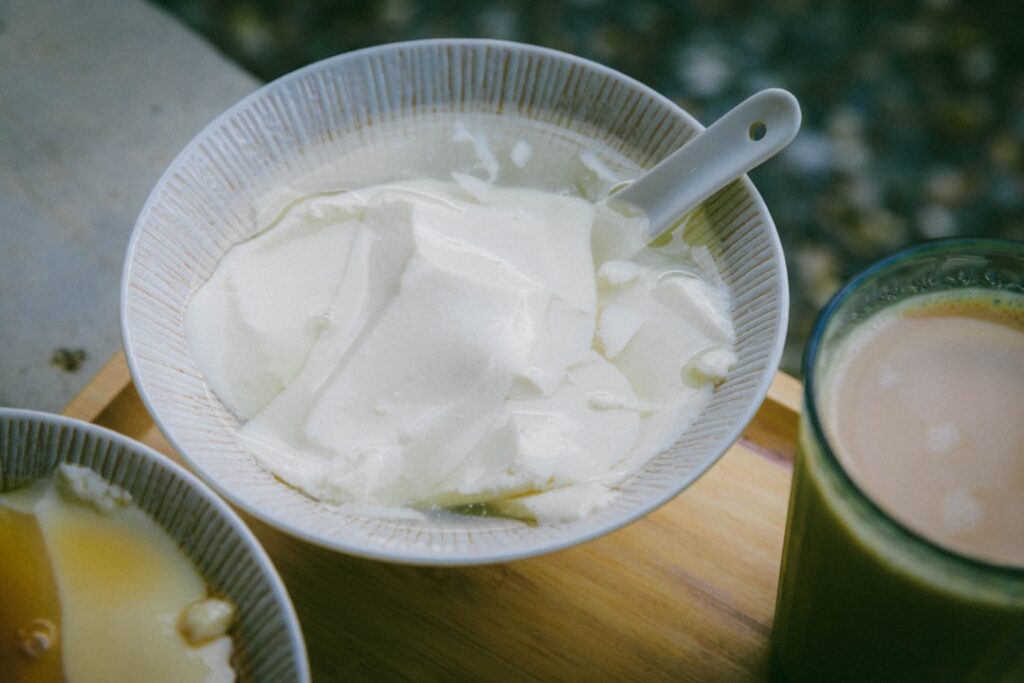
Yogurt reliably starts with two core bacteria: Streptococcus thermophilus and Lactobacillus delbrueckii subsp. bulgaricus. Many commercial yogurts also add strains such as Lacticaseibacillus rhamnosus, Lactobacillus acidophilus, or Bifidobacterium species, but that depends on the brand. The honest version is that classic yogurt cultures can survive gastrointestinal transit in at least some people, but they are not the toughest acid survivors in the fermented-food world.
Why do they survive at all? The dairy matrix helps. Think of yogurt as a protective gel, not just a liquid full of free-floating bacteria. Protein, fat, and buffering capacity can soften the acid hit compared with swallowing isolated cells in water. Even so, survival is partial, not magical. Some cells die in the stomach, some pass into the small intestine, and what reaches the colon is usually a reduced population rather than the full dose that was in the cup.
Kefir is usually a stronger candidate for live delivery because it is a mixed community rather than a two-species starter. Kefir commonly contains Lactobacillus kefiri, Lactobacillus kefiranofaciens, Lactococcus lactis, Leuconostoc mesenteroides, acetic acid bacteria, and yeasts such as Saccharomyces cerevisiae and Kluyveromyces marxianus. In plain English, kefir is less like a duet and more like a small orchestra. That diversity does not guarantee benefit, but it increases the odds that some members will tolerate acid, bile, cold storage, and oxygen better than others.
Sauerkraut, Kimchi, and Raw Fermented Vegetables
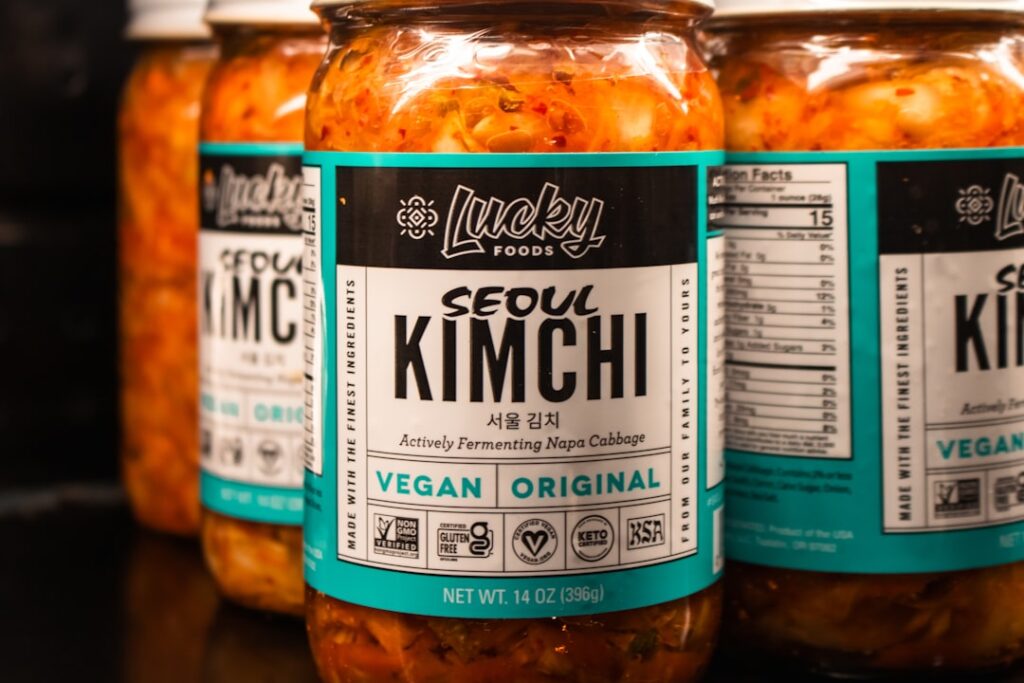
Raw sauerkraut and raw kimchi can deliver live lactic acid bacteria if they have not been pasteurized or cooked after fermentation. The dominant groups typically shift over time, but common names include Leuconostoc mesenteroides, Lactiplantibacillus plantarum, Levilactobacillus brevis, and sometimes Pediococcus species. If you want the label-level shopping details, our raw sauerkraut article goes deeper on what counts as actually alive.
Here is the useful nuance: vegetable ferments are microbially alive, but they are not automatically probiotics in the strict scientific sense. A probiotic claim requires an identified strain delivered at an effective dose with evidence for a defined benefit. Most sauerkraut and kimchi are better described as live fermented foods with variable microbial communities. That is still meaningful. It just is not the same thing as a clinically characterized capsule or a yogurt fortified with a named strain.
Acid survival in these foods depends on the species, the salt and acid history of the ferment, and the food matrix itself. Lactiplantibacillus plantarum is especially interesting because it is commonly isolated from fermented vegetables and is known for relatively strong acid and bile tolerance compared with more fragile starter organisms. In plain English, some kraut bacteria are better built for rough travel than classic yogurt cultures are.
Miso, Natto, and Tempeh
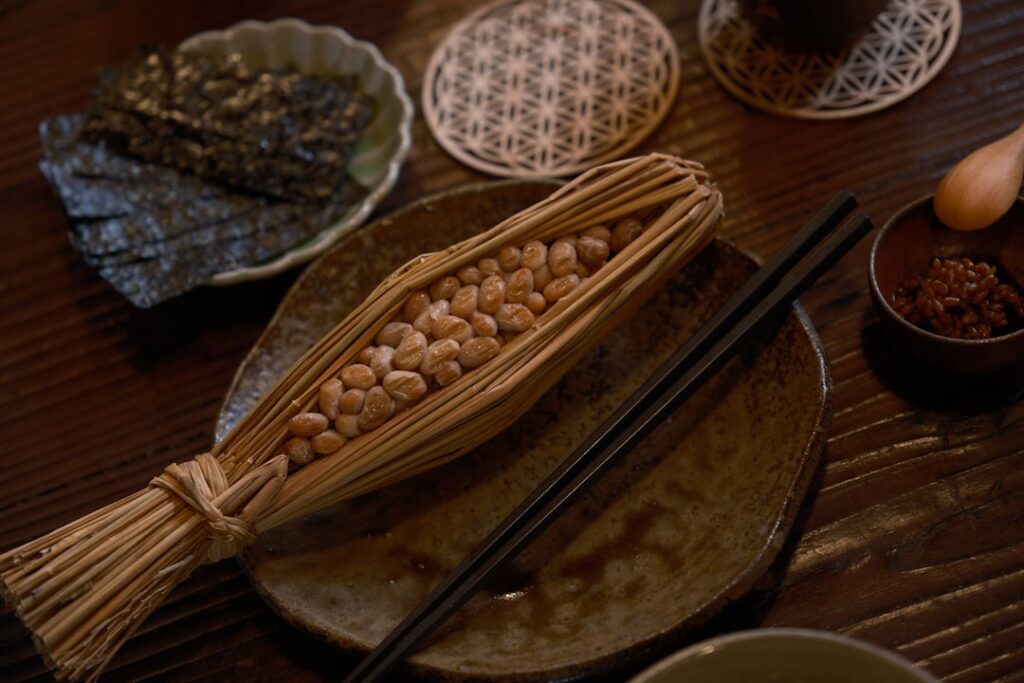
Soy ferments split into two very different camps. Natto is clearly alive when sold as a fresh fermented food, while miso may be alive or mostly inactive depending on whether it is unpasteurized and how it is used. Tempeh is fermented before sale, but if it is later cooked thoroughly, it stops being a live-culture delivery system even though the fermentation still changed the food.
Natto is dominated by Bacillus subtilis var. natto. This matters because Bacillus can form spores, and spores are much harder to kill than ordinary bacterial cells. In plain English, natto has armored passengers. That does not mean every spoonful colonizes your intestine, but it does mean natto has a more credible path through stomach acid than many non-spore-forming ferments.
Miso starts with koji made using Aspergillus oryzae, then undergoes further fermentation involving yeasts and salt-tolerant bacteria such as Tetragenococcus halophilus. The surprise is that miso’s gut story depends heavily on what happens after purchase. If you whisk unpasteurized miso into hot-but-not-boiling liquid at the end, some microbes may remain viable. If you simmer it hard, the live-culture angle is mostly gone, though the fermentation-derived enzymes, peptides, and flavor compounds remain.
| Food | Common live microbes | Likely to deliver live cultures? | What it means in practice |
|---|---|---|---|
| Live-culture yogurt | Streptococcus thermophilus, L. delbrueckii subsp. bulgaricus, sometimes added Bifidobacterium or Lactobacillus | Yes, partially | Some cells survive transit, but survival is variable and reduced by stomach acid. |
| Kefir | L. kefiri, L. kefiranofaciens, Lactococcus, Leuconostoc, yeasts | Yes | One of the stronger grocery-store options because it is a mixed live ecosystem. |
| Raw sauerkraut | Leuconostoc mesenteroides, Lactiplantibacillus plantarum, L. brevis | Yes, if refrigerated and unpasteurized | Good live-food option, but microbial makeup varies by batch and brand. |
| Uncooked raw kimchi | Leuconostoc, Lactiplantibacillus, Weissella, L. brevis | Yes, if not heat-treated | Alive in the jar does not help if you later cook it. |
| Miso | Aspergillus oryzae upstream in production; yeasts and salt-tolerant bacteria may remain in unpasteurized miso | It depends | Use unpasteurized miso and add it after cooking if you care about live microbes. |
| Natto | Bacillus subtilis var. natto | Yes | Spore-forming biology gives natto a stronger acid-survival case than many ferments. |
| Tempeh | Rhizopus mold during fermentation | Usually no by serving time | Tempeh is typically cooked before eating, so think of it as fermented, not live. |
The Fermented Foods That Taste Great But Are Dead
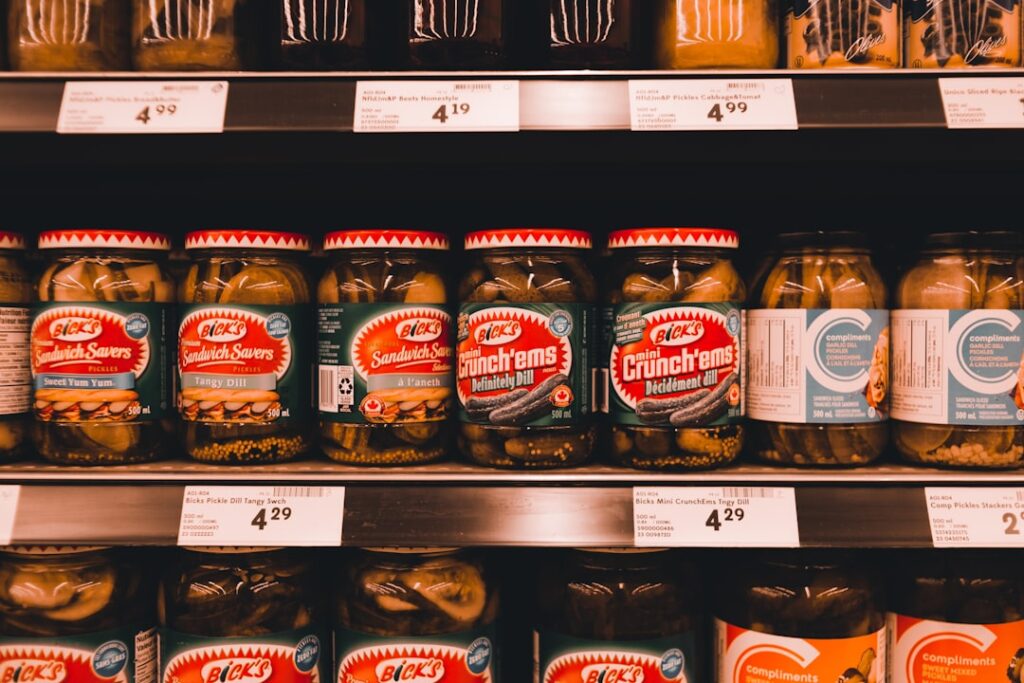
Many foods sold as fermented are biologically dead by the time they reach your fork. In plain English, the flavor came from microbes, but the microbes themselves are gone. That includes baked sourdough, pasteurized sauerkraut, cooked kimchi, and any product that was fermented first and then heat-treated for shelf stability.
Baked sourdough is the clearest example. The starter is alive before baking, but oven heat kills the yeasts and lactic acid bacteria. The bread may still digest differently because fermentation changed the dough chemistry, but it is not a live-culture probiotic food. Cooked kimchi and sauerkraut are the vegetable version of the same story. They can still taste excellent, and some fermentation products remain, but the live organisms do not survive the pan.
Pasteurized sauerkraut is where shoppers get misled most often. If a kraut sits unrefrigerated on a shelf for months, that stability usually means a kill step happened. Shelf-stable kombucha can create the same confusion. Some bottles are live and refrigerated; others are filtered, stabilized, or pasteurized for control and consistency. Verdict: if the product is not explicitly sold as live and kept in conditions that make sense for living microbes, do not assume it is still alive.
What the Evidence Actually Supports
The evidence supports a modest, mechanism-based view: some fermented foods can deliver live microbes, microbial enzymes, organic acids, and fermentation-altered nutrients, but they are not guaranteed microbiome overhauls. In plain English, they can nudge gut ecology and digestion, but they are not a magic reset button.
Yogurt has the strongest mainstream evidence base, especially for lactose digestion, because the live cultures bring microbial lactase activity with them. Kefir has promising evidence and a richer microbial profile, but products vary widely. Sauerkraut, kimchi, miso, and natto are plausible microbial contributors, yet the human evidence is still thinner and less standardized because one brand or batch is not microbiologically identical to the next.
Here is the detail that surprises most people: dead fermented foods can still matter. Fermentation makes acids, peptides, aroma compounds, and partially broken-down food structures that may change digestibility even after the microbes are gone. So the honest split is this. If your question is, does this food send live microbes into my gut, only some products qualify. If your question is, did fermentation change this food in potentially useful ways, the answer can still be yes even when the microbes are dead.
If you’re experiencing these symptoms, our team at Gastronomy Facts And Articles can help.
How to Read a Fermented Food Label
The fastest label rule is simple: look for evidence that the microbes are still alive now, not just that fermentation happened at some point. In plain English, words like raw, unpasteurized, refrigerated, and live and active cultures matter more than the romance of the word fermented.
Live and active cultures usually signals that viable organisms are expected to remain in the product. On yogurt in the United States, products heat-treated after culturing must disclose that they do not contain live and active cultures, which makes this category easier to shop honestly. Raw and unpasteurized often suggest no post-fermentation kill step, though they are not perfect guarantees by themselves. Traditionally fermented tells you something about process heritage, not necessarily current viability.
Refrigeration is a useful clue, not absolute proof. Many authentic live vegetable ferments need refrigeration to slow ongoing microbial activity. By contrast, a jar of kraut, kimchi, or pickles sitting at room temperature is often either pasteurized or otherwise stabilized. Also read the ingredient list. Vinegar-heavy products may be acidified rather than actively fermented, which is a different preservation strategy altogether.
For miso and similar products, the label only tells half the story because your kitchen finishes the job. If you stir miso into boiling soup and simmer it, you have effectively turned a potentially live food into a non-live one. Think of temperature as the last ingredient.
Frequently Asked Questions
The quick version is this: live fermented foods are real, but the category is smaller than marketing suggests. Use labels, storage conditions, and common-sense heat logic to separate living ferments from foods that are simply made by fermentation.
Read Next: Related Food Science
If this changed how you shop the refrigerated aisle, keep going with our sauerkraut deep dive, our kefir grains explainer, and our raw sauerkraut article. Gastronomy Facts And Articles breaks down the mechanism behind everyday food claims so you can tell which kitchen myths survive contact with chemistry. Contact Gastronomy Facts And Articles today to schedule a consultation.
Frequently Asked Questions
Do fermented foods need to be unpasteurized to deliver live cultures?
Usually yes. If a fermented food is pasteurized after fermentation, the heat kills the live microbes, so the product is fermented in origin but not still biologically active when eaten.
Does yogurt survive stomach acid?
Some yogurt bacteria can survive transit through the gastrointestinal tract, but survival is partial and variable. The dairy matrix helps protect cells, yet many still die in stomach acid before reaching the intestine.
Is sauerkraut probiotic?
Raw, unpasteurized sauerkraut can contain live lactic acid bacteria, but most products are not probiotics in the strict scientific sense unless they contain identified strains at effective doses with evidence for a specific benefit.
Is miso still alive in soup?
Only if the miso is unpasteurized and added after cooking or to liquid that is not hot enough to kill the microbes. Boiling or prolonged simmering removes the live-culture advantage.
Why is natto different from many other fermented foods?
Natto is dominated by Bacillus subtilis var. natto, which can form spores. Spores are much more resistant to harsh conditions, so natto has a stronger case for surviving stomach acid than many non-spore-forming ferments.
0 Comments