Raw sauerkraut is refrigerated because it still contains live lactic acid bacteria, while shelf-stable sauerkraut has usually been pasteurized hot enough to stop fermentation and kill those microbes. In plain English, both jars may have started as fermented cabbage, but only one is still biologically alive when you pick it up.
That aisle confusion is completely reasonable. The myth feels simple because both products say sauerkraut, both taste sour, and both can list cabbage and salt. The chemistry says otherwise. Once cabbage ferments, microbes make lactic acid, lower the pH, and change the flavor. If a manufacturer later heat-treats the product above 74°C, those live cultures are no longer the point. What remains is a fermented food in history, not a live one in the jar.
What Makes Sauerkraut Raw?
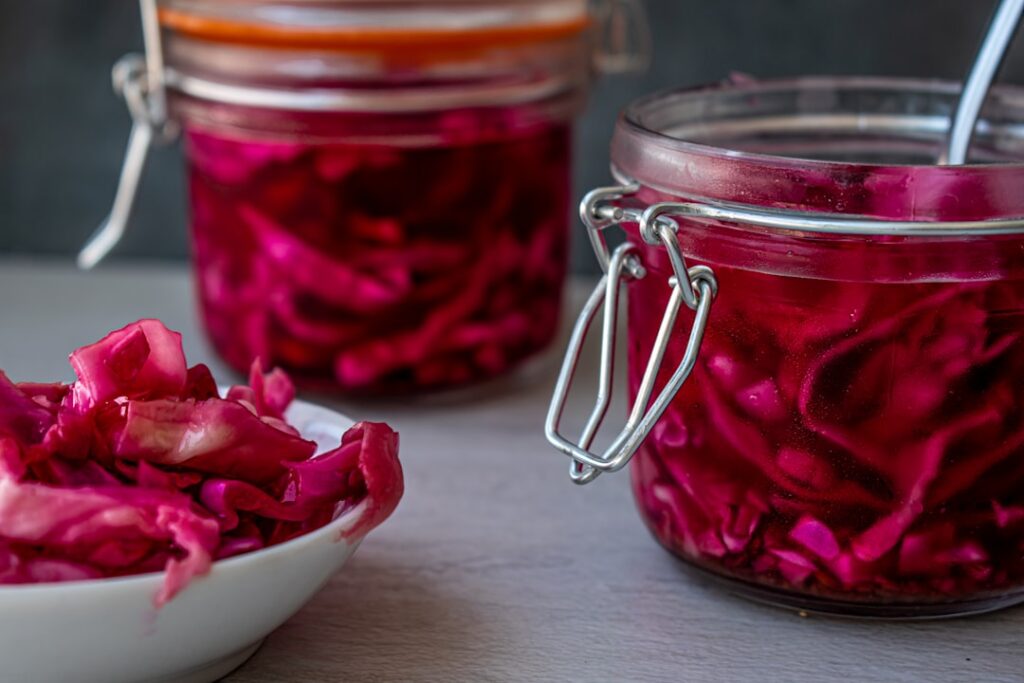
Raw sauerkraut is raw because the cabbage is preserved by lactic acid fermentation rather than by a post-fermentation kill step. In plain English, microbes do the preserving work, and then the jar stays cold so those microbes remain alive instead of being heat-killed for shelf stability.
Think of raw sauerkraut less like a canned vegetable and more like a slowed-down ecosystem. Shredded cabbage is salted, water is drawn out, and naturally present lactic acid bacteria begin converting cabbage sugars into lactic acid. Classic sauerkraut fermentation is commonly associated with organisms such as Leuconostoc mesenteroides, Lactobacillus plantarum, Lactobacillus brevis, and Pediococcus pentosaceus. In plain English, the sourness is microbial work, not just added acid.
Here is the huh-didn’t-know-that fact: a jar can be genuinely fermented and still not deliver live cultures. Fermentation describes how the food was made. Live culture describes what is still alive now. That distinction matters if you are standing in front of the cooler trying to decide whether you want flavor alone or flavor plus live microbes. For the bigger picture, our article on which fermented foods actually deliver live cultures shows why sauerkraut is only one branch of a much larger probiotic-food puzzle.
How Pasteurization Kills the Good Stuff
Commercial pasteurization makes sauerkraut shelf-stable by heating it enough to inactivate the microbes and enzymes that would otherwise keep the jar biologically active. In plain English, heat hits pause by killing the very bacteria that created the sour flavor in the first place.
A useful rule of thumb is this: once fermented vegetables are heated to about 74°C or higher, live lactic acid bacteria are not what you should expect to survive. In commercial vegetable processing, 74°C is a standard benchmark used for pasteurization-style heat treatment, often with a hold time, because that level of heat is designed to inactivate microbes and stabilize the product. That is why an unrefrigerated jar can sit on a shelf for months while raw kraut belongs in the cold case.
The myth feels true because the sour taste remains after pasteurization. Your tongue still gets the acids that the bacteria made earlier, so the product still tastes fermented. Verdict: It is complicated. Pasteurized sauerkraut is still a food made by fermentation, but it is no longer a live-culture food. If you later cook even raw sauerkraut in a skillet or soup, you create the same basic problem on a smaller scale: heat is great for texture and flavor, but not for microbial survival.
If you’re experiencing these symptoms, our team at Gastronomy Facts And Articles can help.
How to Read the Label: Refrigerated vs Shelf-Stable
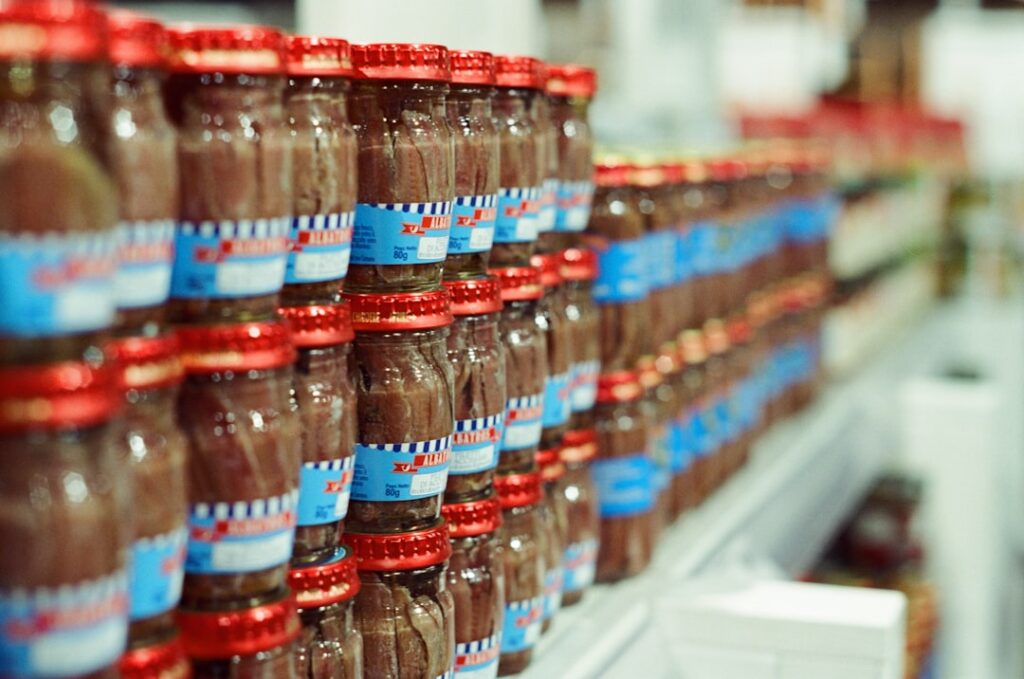
The fastest label test is to combine location, wording, and ingredients rather than trusting one clue by itself. In plain English, the refrigerated case strongly suggests live sauerkraut, while a room-temperature shelf usually suggests a jar that has been pasteurized or otherwise stabilized.
| What you see | What it usually means | What it means in practice |
|---|---|---|
| Stored in the refrigerated section | Likely unpasteurized and still biologically active | Best clue that live cultures may still be present |
| Stored on a regular shelf at room temperature | Usually pasteurized, canned, or otherwise stabilized | Do not assume live cultures are still alive |
| Label says raw, unpasteurized, live, living, or contains live cultures | Signals no post-fermentation kill step or an active culture claim | Strong positive sign, especially when combined with refrigeration |
| Label says pasteurized or shelf-stable | Heat treatment was used to extend storage life | Fermented flavor remains, but live bacteria are likely gone |
| Ingredients are just cabbage, salt, and maybe spices | More consistent with traditional lactic acid fermentation | Good sign, but still check whether it is refrigerated |
| Ingredients include vinegar high on the list | May be acidified for sourness rather than actively fermented | Sour does not automatically mean live-culture sauerkraut |
Use this concrete checklist when you are holding the jar. First, where was it stocked: refrigerator or shelf? Second, does the label say raw, unpasteurized, live, or living? Third, does it avoid words that suggest a kill step, such as pasteurized or shelf-stable? Fourth, do the ingredients look like fermented cabbage rather than cabbage plus vinegar as the main souring shortcut? Fifth, does the package tell you to keep refrigerated? The more yes answers you get, the more likely you are looking at true raw sauerkraut.
This is also where broader fermented-food literacy helps. The same label logic shows up in yogurt, kefir, kimchi, and miso, which is why our guide to fermented foods for gut health can make the whole probiotic aisle less mysterious.
Does Cooking Raw Sauerkraut Destroy the Probiotics?
Yes, cooking raw sauerkraut can destroy the live microbes that made it a live-culture food in the first place. In plain English, the hotter and longer you heat it, the less reason you have to expect those bacteria to still be alive by the time it reaches your plate.
You do not need to fear cooked sauerkraut, because the acids and fermentation-made flavor compounds still remain. The myth feels harsh because people hear destroyed and assume useless. Verdict: False. Cooking does not erase the entire value of sauerkraut. It mainly changes the specific question from Does this deliver live bacteria? to Does this still taste good and bring fermentation-derived compounds? Those are different benefits.
If your goal is live cultures, add raw sauerkraut cold or at the very end of a meal instead of simmering it. If your goal is classic hot-kraut flavor with sausage, potatoes, or sandwiches, cooking is completely reasonable. The key is knowing which outcome you are choosing, not accidentally paying for a live product and then treating it like a canned one.
Related Reading
If this changed how you shop the sauerkraut aisle, keep going with our deeper explainer on what really works in fermented foods for gut health. Gastronomy Facts And Articles looks past packaging language and into the actual mechanism, so you can tell when a food is truly alive and when it is just borrowing the halo of fermentation.
Send us the food question you cannot stop thinking about, and we will break down the mechanism behind it. Contact Gastronomy Facts And Articles today to schedule a consultation.
Frequently Asked Questions
Is refrigerated sauerkraut always raw?
Not always, but refrigeration is one of the strongest clues that sauerkraut may still contain live cultures. Check for words like raw, unpasteurized, live, or living on the label.
Does pasteurized sauerkraut still count as fermented?
Yes. It was made by fermentation, but pasteurization kills the live microbes afterward. That means it is fermented in origin but not still a live-culture food.
What temperature kills the live cultures in sauerkraut?
Commercial pasteurization for vegetable products commonly uses temperatures around 74°C or higher, often with a hold time. Once sauerkraut is heated that high, you should not expect the live lactic acid bacteria to survive.
How can I tell if sauerkraut is alive when shopping?
Use a checklist: look for refrigeration, words like raw or unpasteurized, an instruction to keep refrigerated, and an ingredient list that looks like fermented cabbage rather than cabbage plus vinegar.
Does cooking raw sauerkraut make it useless?
No. Cooking mainly removes the live-culture angle. The acids and fermentation-made flavors still remain, so cooked sauerkraut can still be enjoyable and distinct from plain cabbage.
0 Comments