Gastronomy Life
  • Privacy Policy
  • Terms And Conditions
  • About
  • Contact Us
  • Shop
  • Cart
  • Checkout
  • My account

Food Facts

Interesting facts, discoveries, and stories about food, ingredients, and culinary traditions.

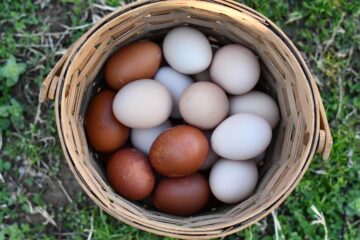
A wicker basket filled with brown and white eggs side by side, photographed from above on grass
Food Facts

What’s the Difference Between Brown Eggs and White Eggs?

Brown eggs are not healthier than white eggs. The shell color is the breed of hen, full stop. Brown-egg layers are typically larger birds that need more feed just to maintain their bodies and keep laying, so the higher price is mostly an economics story rather than a nutrition story. Read more
By admin, 1 monthAugust 18, 2026 ago
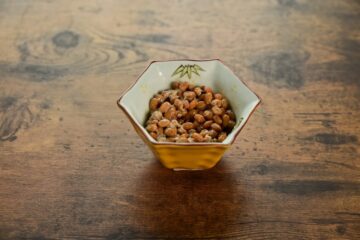
Natto — fermented soybeans served in a traditional hexagonal ceramic bowl on a wooden surface
Food Facts

Natto: The Sticky Soybean Breakfast Japan Loves

What is natto? It is whole soybeans fermented by Bacillus subtilis, usually served as one small pack over hot rice. The beans are nutty, savory, and famously sticky. That stickiness is the point, not a flaw, and it comes from a real microbial mechanism rather than from slime or starch. Read more

By admin, 1 monthAugust 17, 2026 ago
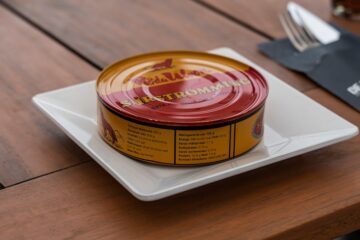
A can of surströmming fermented herring on a white plate
Food Facts

Surströmming: What’s Fermenting in the World’s Smelliest Can?

Why does fermented Baltic herring smell so extreme? Because the fish is only lightly salted, then left to break itself down through its own enzymes while salt-tolerant microbes keep working for months. That combination creates the sulfurous, cheesy, sharp aroma people associate with Swedish surströmming, and it also explains why Read more

By admin, 1 monthAugust 17, 2026 ago
Close-up of a vanilla orchid flower showing the delicate yellow-green petals and reproductive structures that must be hand-pollinated within a single day
Food Facts

Why Is Vanilla So Expensive? It Starts With Hand-Pollination

A single vanilla flower opens for one day, and every pod that becomes a bean starts with a grower’s hands. From there it takes 6 to 9 months of curing, a market dominated by one cyclone-prone country, and a price history that once topped $600 per kilogram. Here’s the full story behind the cost.

By admin, 1 monthAugust 17, 2026 ago
Woman chopping vegetables in a warm home kitchen, illustrating the cooking context for onion chemistry
Food Facts

Why Do Onions Make You Cry? The Real Chemistry

Onions make you cry through a two-enzyme cascade that produces syn-propanethial-S-oxide, a volatile sulfur compound. Learn the full chemistry and which kitchen tricks actually reduce tearing.

By admin, 1 monthAugust 16, 2026 ago
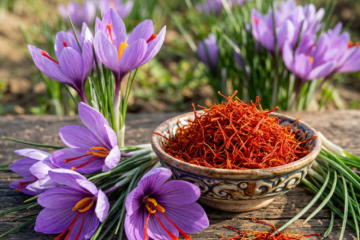
Bowl of saffron threads surrounded by purple crocus flowers
Food Facts

Why Is Saffron So Expensive?

Saffron is one of the world’s most valuable spices—but the reason isn’t just its flavor.

By admin, 1 monthAugust 16, 2026 ago

Posts pagination

Previous 1 2
  • Privacy Policy
  • Terms And Conditions
  • About
  • Contact Us
  • Shop
  • Cart
  • Checkout
  • My account
Hestia | Developed by ThemeIsle