Double-blind studies have failed to reproducibly link MSG to headaches. That is the short answer. Monosodium glutamate is simply the sodium salt of glutamic acid, an amino acid already present in foods like tomatoes, mushrooms, and parmesan, and the famous fear around it grew far faster than the evidence ever did.
The practical takeaway is simple: most people do not need to treat MSG like a mysterious hazard. Think of it less like a synthetic threat and more like a concentrated umami tool. If you have read our myth breakdowns on brown eggs versus white eggs or the broader myth index, this is the same pattern again: a vivid story outcompeted the quieter chemistry.
What MSG Actually Is
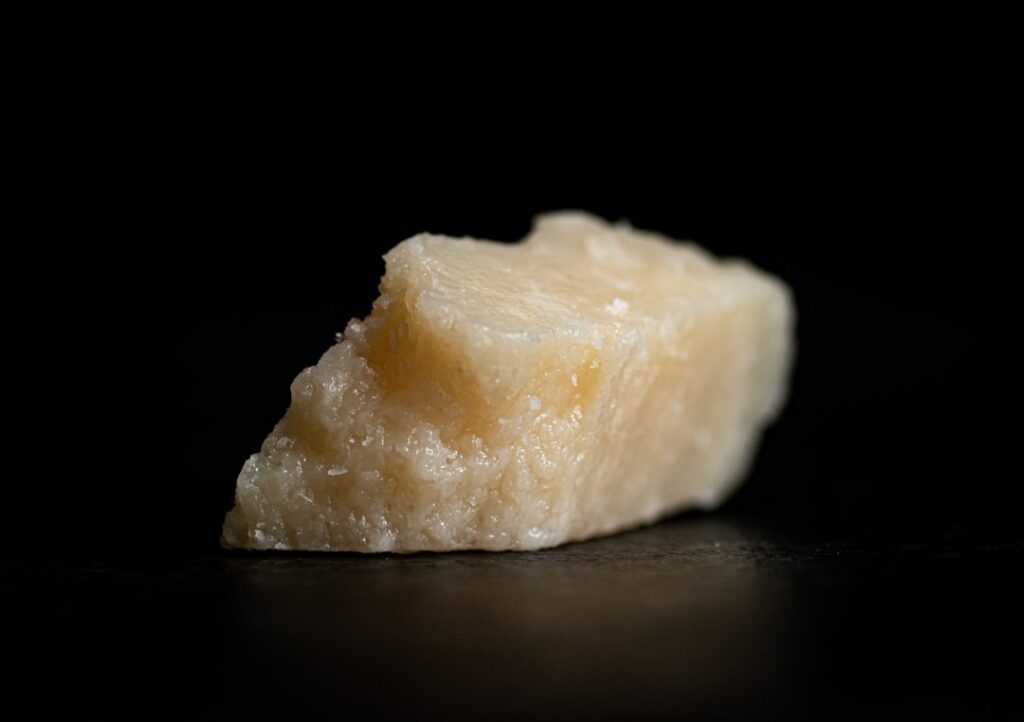
MSG is the sodium salt of glutamic acid, and glutamic acid is a common amino acid found throughout the food supply. In plain English, the body is already used to handling glutamate because it shows up naturally in protein-rich and umami-rich foods all the time.
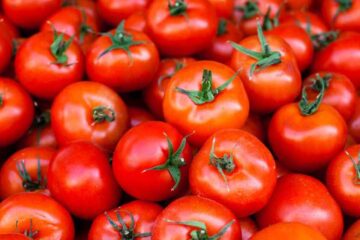
What matters for flavor is free glutamate, the form that can hit your tongue’s umami receptors directly. Tomatoes, mushrooms, aged cheeses, soy sauce, and many fermented foods are rich in it. MSG works because it delivers that same savory signal efficiently, not because it introduces a brand-new chemical your body has never seen.
Here is the surprising part many readers do not expect: parmesan can contain far more free glutamate than you would get from MSG in a typical restaurant meal. Think of parmesan less like a garnish and more like a naturally concentrated glutamate delivery system. That does not prove every dish contains the same amount, but it does show why the phrase “natural equals safe, added equals dangerous” falls apart under basic food chemistry.
The 1968 Letter That Started It All
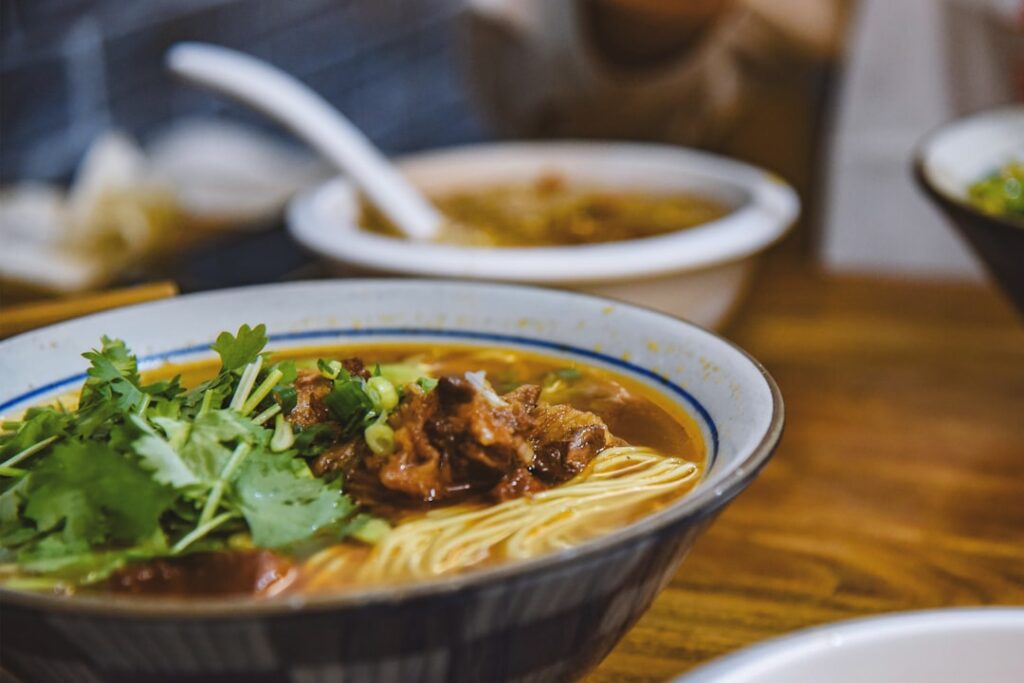
The phrase “Chinese restaurant syndrome” started with a 1968 letter to the editor in the New England Journal of Medicine, not with a strong clinical trial. In plain English, one short anecdotal note gave a catchy name to a vague cluster of symptoms, and that label ended up shaping public memory for decades.
The letter described sensations after eating at Chinese restaurants and speculated about possible causes, including cooking wine, sodium, or MSG. That uncertainty is important. The original spark was not a clean demonstration that MSG caused headaches. It was a suggestion, attached to a memorable phrase, during a period when exoticized ideas about Chinese food were especially easy to spread.
Once a myth gets a sticky label, repetition does the rest. News coverage, word of mouth, and ingredient-label anxiety turned a speculative anecdote into something that sounded medically settled. If you liked our article on food myths that just will not die, this is one of the clearest examples of how that process works in real time.
The Double-Blind Trials That Couldn’t Reproduce It

When researchers moved from anecdotes to blinded trials, the clean MSG-headache story stopped cooperating. The strongest pattern across reviews is not that symptoms never occur, but that studies have struggled to trigger them consistently under placebo-controlled conditions.
This is the key distinction. A person can sincerely feel unwell after a meal, yet that does not automatically identify MSG as the cause. Restaurant meals vary in salt, fat, alcohol, meal size, temperature, pace of eating, and expectation. In plain English, a memorable dinner can bundle many triggers together, and a blamed ingredient can become the easiest part of the story to remember.
| Study or source type | What it found | What it means in practice |
|---|---|---|
| 1968 letter to a medical journal | Anecdotal report with speculation about several possible causes | This started the label, but it was not proof of causation |
| Double-blind placebo-controlled trials | Symptoms blamed on MSG were not reproduced consistently across blinded conditions | That weakens the claim that MSG reliably causes headaches in the general population |
| Later literature reviews | Possible sensitivity has been discussed, but a reproducible MSG-sensitive subgroup has not been clearly demonstrated in controlled trials | For most readers, the evidence does not support broad fear of ordinary culinary MSG use |
| Regulatory summaries | MSG is generally recognized as safe, with some reports of short-lived symptoms at relatively large doses without food | Dose and context matter more than the myth suggests |
One reason older experiments were hard to interpret is that very large doses of MSG in liquid, especially without food, can be easier for participants to notice. That can compromise blinding. Think of it less like testing a normal bowl of noodles and more like asking whether people react to an unusually conspicuous lab challenge.
Why the Myth Persists
The MSG myth persists because it offers a neat villain for an experience that is often messy. Headaches are common, restaurant meals are variable, and people remember the dramatic story better than the controlled trial that failed to confirm it.
There is also a cultural layer. “Chinese restaurant syndrome” did not just medicalize a weakly supported idea. It attached that idea to a cuisine, which helped turn ordinary ingredient anxiety into a stereotype. Once that framing took hold, it encouraged shoppers to treat “No MSG” labels as reassurance even when the same foods could contain plenty of naturally occurring glutamate from tomatoes, mushrooms, yeast extracts, or cheese.
Here is the mechanism-level lesson: the body does not care whether glutamate arrived via parmesan, tomato, mushroom, or a pinch of MSG in soup. The molecule is the molecule. What changes in real life is dose, food context, and the story people tell themselves about the meal they just ate. For a parallel myth built around appearance rather than chemistry, see our article on brown versus white eggs.
Read Next
If this changed how you think about ingredient fear, keep going. Our myth-checking pieces on egg color and sugar labels show the same pattern: small differences get turned into big moral stories, while the actual chemistry is calmer and more interesting. If you’re experiencing these symptoms, our team at Gastronomy Facts And Articles can help.
Send us the food question you cannot stop thinking about, and we will break down the mechanism behind it. Contact Gastronomy Facts And Articles today to schedule a consultation.
Frequently Asked Questions
Does MSG actually cause headaches for most people?
Current controlled evidence does not show a reproducible link between ordinary MSG consumption and headaches for most people. Anecdotal reports exist, but blinded trials have struggled to confirm them consistently.
What is MSG made of?
MSG is the sodium salt of glutamic acid. Glutamic acid is a common amino acid already present in many foods, including tomatoes, mushrooms, and aged cheeses.
Where did the MSG myth come from?
A major source was a 1968 letter to the editor in the New England Journal of Medicine that used the phrase Chinese restaurant syndrome. The letter was speculative, but the label spread widely.
Is glutamate in parmesan different from glutamate in MSG?
No. The glutamate molecule is the same. What changes is the food matrix, the amount, and the context in which you eat it.
Why do some people still think MSG is dangerous?
The belief persists because the story is memorable, headaches are common, restaurant meals have many possible triggers, and the original idea became culturally sticky long before strong evidence supported it.
0 Comments