That chalky white film on a chocolate bar usually means bloom, not spoilage. The short version is that chocolate can turn white in two different ways: fat bloom, when cocoa butter moves and recrystallizes, or sugar bloom, when moisture dissolves surface sugar and it dries back into crystals.
If you have ever opened a bar and assumed it had gone bad, the confusion makes sense. White streaks look dramatic. But bloom is mostly a structure problem, not a safety problem. In plain English, the chocolate’s fats or sugars have reorganized on the surface, which changes shine, snap, and texture long before it makes the bar inedible.
So Why Does Chocolate Turn White?
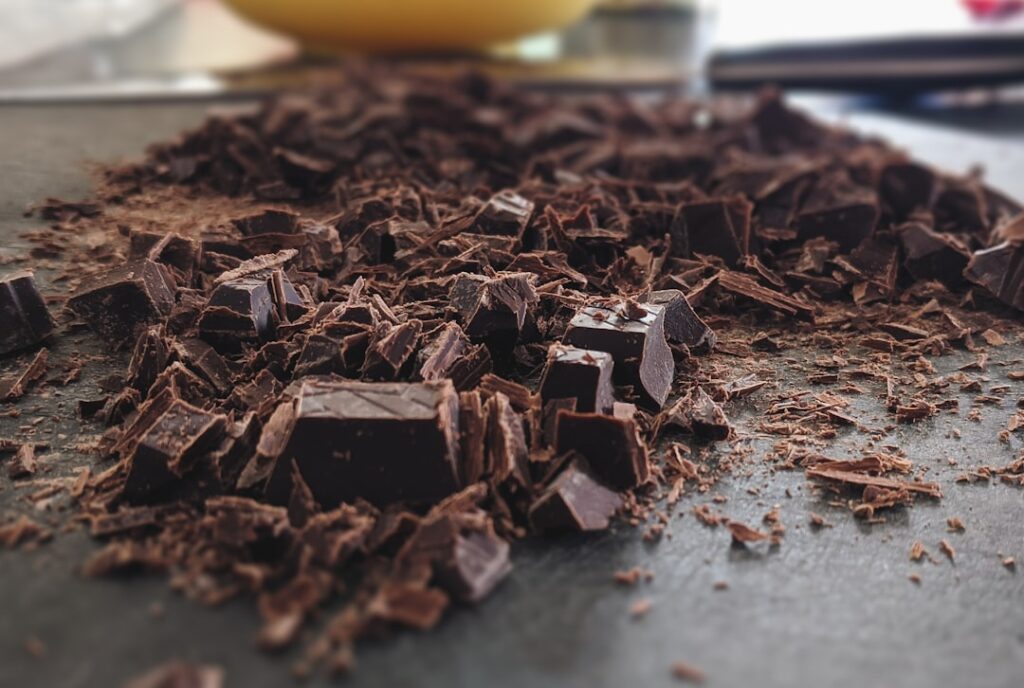
Chocolate turns white because one of its main building materials has migrated to the surface and crystallized there. In plain English, either cocoa butter has shifted out of its ideal crystal form, or water has briefly landed on the chocolate, dissolved some sugar, and left a pale residue behind when it evaporated.
Here is the concrete temperature story. Cocoa butter melts close to body temperature, roughly 32 to 34°C, which is part of why chocolate melts so smoothly on your tongue. That also means warm storage matters. Once chocolate is exposed to temperatures above about 24°C, the crystal structure becomes more vulnerable, and if storage climbs above 75°F, or about 24°C, bloom becomes much more likely. When cold chocolate is suddenly moved into a warm, humid room, condensation can form on the surface and set up the other type of bloom instead.
Think of a well-tempered chocolate bar like a neatly stacked brick wall. If the fat crystals shift, the wall goes slightly crooked and some cocoa butter rises to the surface. If moisture lands on the bar, it is more like a light rain dissolving sugar dust and then letting it dry in place. Same white look at first glance, completely different mechanism underneath.
This is the same broader pantry-science idea you see in other shelf-stable foods: structure changes do not always mean spoilage. If that kind of distinction interests you, our article on food myths that survive because they look true shows how often appearance sends cooks in the wrong direction.
Fat Bloom vs Sugar Bloom: How to Tell Them Apart
The fastest way to tell them apart is texture. Fat bloom usually looks smooth, dull, or streaky and can seem slightly greasy or melt away when you rub it. Sugar bloom usually looks rougher and drier, with a grainy feel because actual sugar crystals have re-formed on the surface.
| Type | What is happening | Common trigger | What it looks and feels like |
|---|---|---|---|
| Fat bloom | Cocoa butter softens, migrates, and recrystallizes on the surface | Warm storage, poor tempering, repeated temperature swings | Dull white film or streaks, smoother look, sometimes slightly greasy to the touch |
| Sugar bloom | Moisture dissolves surface sugar, then the water evaporates and leaves sugar crystals behind | Condensation, humidity, moving cold chocolate into a warm room | Chalky, dusty, or rough white coating with a grainier texture |
Fat bloom is the one many home cooks do not expect. Chocolate is tempered so cocoa butter forms stable crystals, often called Form V crystals, which give the bar its gloss and clean snap. If the chocolate was poorly tempered or later stored too warm, some of that cocoa butter can shift into less stable arrangements and move outward. In plain English, the chocolate fat stops staying evenly parked inside the bar.
Sugar bloom works differently. If a cold bar comes out of the refrigerator into a humid kitchen, tiny droplets can condense on the surface. Those droplets dissolve some of the sugar. When the water dries, the sugar stays behind as visible crystals. The huh-didn’t-know-that detail is that refrigerating chocolate can solve one problem and create another if you unwrap it before it has had time to warm up gradually.
If you’re experiencing these symptoms, our team at Gastronomy Facts And Articles can help.
Is Bloomed Chocolate Safe to Eat?
Usually, yes. Bloomed chocolate is generally safe to eat if it was stored reasonably well and there are no signs of mold, off odors, or contamination. What bloom mainly damages is quality: the texture gets crumbly or waxy, the surface loses shine, and the snap becomes less satisfying.
This is where people mix up quality loss with spoilage. Fat bloom means the cocoa butter has rearranged. Sugar bloom means moisture briefly changed the surface. Neither one automatically means microbes have taken over. In plain English, the bar may taste a little flatter and feel less silky, but it is often still perfectly usable for chopping, melting, or baking.
Bloomed chocolate is especially easy to rescue in recipes. Melt it into brownies, hot chocolate, ganache, or cookies and the cosmetic flaw usually stops mattering. If you enjoy pantry deep dives, the same shelf-life-versus-quality distinction comes up in our related article on common food myths about what looks spoiled and what actually is, and in our food-preservation piece on how storage and chemistry change ingredients over time.
How to Prevent Chocolate Bloom
The best prevention is steady storage: keep chocolate cool, dry, and away from sudden temperature swings. A practical target is about 60 to 75°F, or 16 to 24°C, with low humidity. In plain English, chocolate likes boring conditions. Heat, cold shocks, and moisture are what create drama.
For fat bloom, the enemy is warmth and unstable crystals. Store bars away from ovens, sunny counters, and hot cars. If your kitchen routinely gets warm, an interior pantry is better than the countertop. For sugar bloom, the enemy is condensation. If you do refrigerate chocolate, keep it well wrapped, then let it come back toward room temperature before opening the package so water forms on the wrapper, not the chocolate.
A good home rule is this: avoid repeated trips between cold and warm zones. One move from pantry to fridge to counter may be fine if done carefully. Repeated swings are much harder on the bar. Think of chocolate less like a rock-solid candy and more like a carefully arranged fat crystal network that can slump, sweat, and reset if you keep pushing it around.
If you have ever wondered why some pantry foods seem almost immortal while others change fast, compare chocolate with honey. Our article on honey’s shelf life and why crystallization is not spoilage explores another case where a strange-looking texture change is usually chemistry, not danger.
Read Next
If this answered the mystery in your snack drawer, keep going with another pantry question that fools a lot of people: why honey can crystallize and still remain shelf-stable. Gastronomy Facts And Articles is built for exactly these kitchen moments, where a strange surface, texture, or smell has a real mechanism behind it.
Send us the food question you cannot stop thinking about, and we will break down the mechanism behind it. Contact Gastronomy Facts And Articles today to schedule a consultation.
Frequently Asked Questions
Why does chocolate get a white film on it?
A white film on chocolate is usually bloom. It can happen when cocoa butter moves and recrystallizes on the surface or when moisture dissolves sugar and leaves crystals behind after drying.
What is the difference between fat bloom and sugar bloom?
Fat bloom is caused by cocoa butter moving and recrystallizing, so it often looks smoother or streakier. Sugar bloom is caused by moisture and usually feels rougher or grainier because sugar crystals form on the surface.
Is chocolate with white bloom safe to eat?
In most cases, yes. Bloom mainly affects texture and appearance rather than safety, as long as the chocolate was stored reasonably well and does not show other signs of spoilage or contamination.
What temperature should chocolate be stored at?
A practical storage range is about 60 to 75 degrees Fahrenheit, or 16 to 24 degrees Celsius, in a cool, dry place with low humidity and minimal temperature swings.
Can you fix bloomed chocolate?
You usually cannot fully restore the original finish of a bloomed bar at home, but the chocolate is often still excellent for melting, baking, ganache, or hot chocolate.
0 Comments